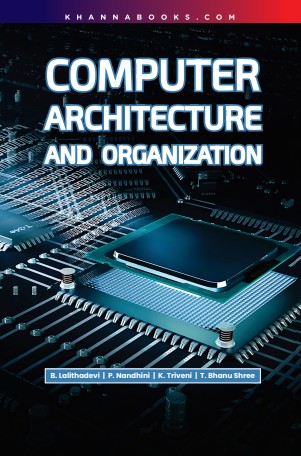
Computer Architecture and Organization
by: B. Lalithadevi, P. Nandhini, K. Triveni, T. Bhanu Shree
 In Stock
Published:
May 29, 2026
Edition:
First
Type of book:
both
Year:
2025
Language:
English
Publisher:
Khanna Publishing House
Categories:
New Arrivals, Book Store, Sathyabama Series
Condition Type:
new
Country Origin:
India
🎁 Get EXTRA Discount on EXTRA Quantity
$0.00
In Stock
ISBN-13: 9789355388032
ISBN-10: 9355388039
🚚 Ships within 1-2 business days
Computer Architecture and Organization
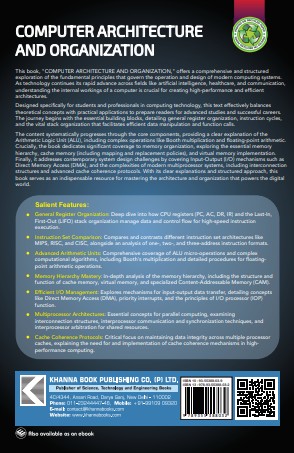
This book, "COMPUTER ARCHITECTURE AND ORGANIZATION," offers a comprehensive and structured exploration of the fundamental principles that govern the operation and design of modern computing systems. As technology continues its rapid advance across fields like artificial intelligence, healthcare, and communication, understanding the internal workings of a computer is crucial for creating high-performance and efficient architectures.
Designed specifically for students and professionals in computing technology, this text effectively balances theoretical concepts with practical applications to prepare readers for advanced studies and successful careers. The journey begins with the essential building blocks, detailing general register organization, instruction cycles, and the vital stack organization that facilitates efficient data manipulation and function calls.
The content systematically progresses through the core components, providing a clear explanation of the Arithmetic Logic Unit (ALU), including complex operations like Booth multiplication and floating-point arithmetic. Crucially, the book dedicates significant coverage to memory organization, exploring the essential memory hierarchy, cache memory (including mapping and replacement policies), and virtual memory implementation. Finally, it addresses contemporary system design challenges by covering Input-Output (I/O) mechanisms such as Direct Memory Access (DMA), and the complexities of modern multiprocessor systems, including interconnection structures and advanced cache coherence protocols. With its clear explanations and structured approach, this book serves as an indispensable resource for mastering the architecture and organization that powers the digital world.
Salient Features:
- General Register Organization: Deep dive into how CPU registers (PC, AC, DR, IR) and the Last-In, First-Out (LIFO) stack organization manage data and control flow for high-speed instruction execution.
- Instruction Set Comparison: Compares and contrasts different instruction set architectures like MIPS, RISC, and CISC, alongside an analysis of one-, two-, and three-address instruction formats.
- Advanced Arithmetic Units: Comprehensive coverage of ALU micro-operations and complex computational algorithms, including Booth's multiplication and detailed procedures for floating-point arithmetic operations.
- Memory Hierarchy Mastery: In-depth analysis of the memory hierarchy, including the structure and function of cache memory, virtual memory, and specialized Content-Addressable Memory (CAM).
- Efficient I/O Management: Explores mechanisms for input-output data transfer, detailing concepts like Direct Memory Access (DMA), priority interrupts, and the principles of I/O processor (IOP) function.
- Multiprocessor Architectures: Essential concepts for parallel computing, examining interconnection structures, interprocessor communication and synchronization techniques, and interprocessor arbitration for shared resources.
- Cache Coherence Protocols: Critical focus on maintaining data integrity across multiple processor caches, explaining the need for and implementation of cache coherence mechanisms in high-performance computing.
No table of contents available for this book.
Customer Feedback
No reviews yet. Be the first to review this product!
This product is currently only available on our official website.
15%

Foundation of Data Science
English
Related Products
Browse All Books
15%
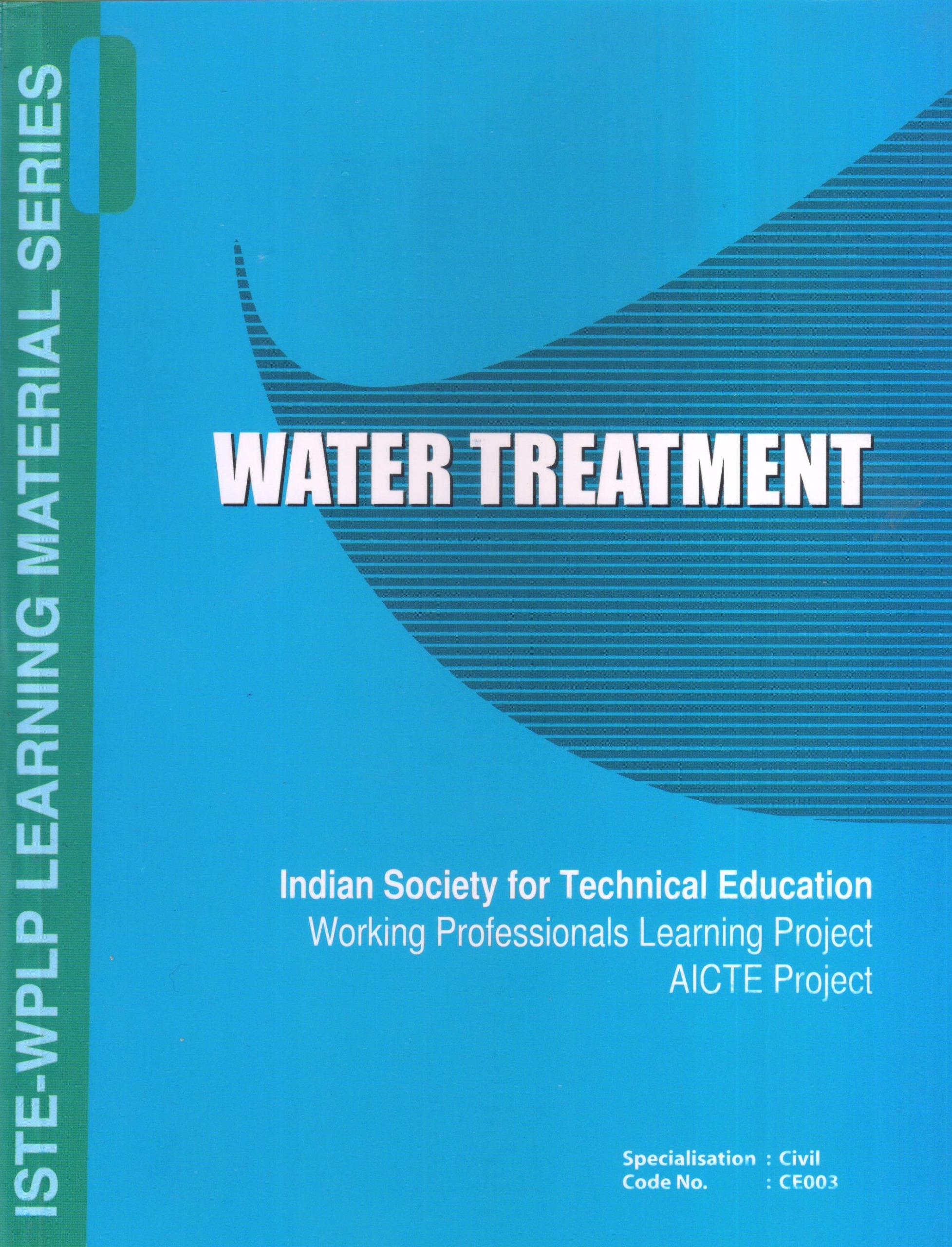
Water Treatment
English
15%
15%

AI Enhanced Cyber Threat
English
25%

25%
Practical Approach of Software Engineering
English
25%
The Wonder That is Avadhanam
English
25%

Energy Conservation in Buildings
English
25%
PC Software Made Easy
Hindi
Water Treatment
by: P. N. Ravindra
In Stock Language : English
Category : Civil Engineering, ISTE Series, Book Store
$388.00
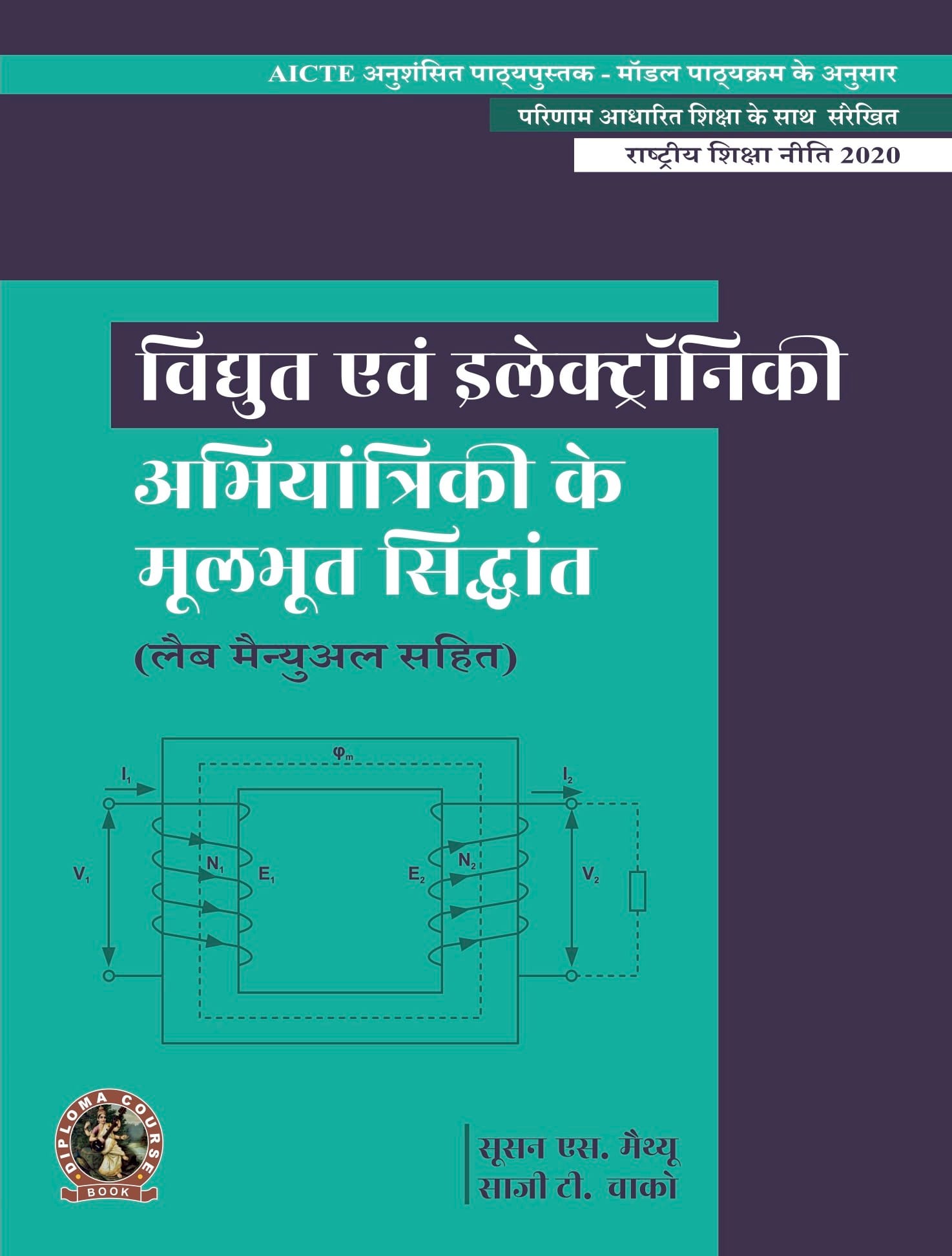
Fundamentals of Electrical and Electronics Engineering (with Lab Manual)
by: Susan S. Mathew, Saji T. Chacko
In Stock Language : Hindi
Category : AICTE Prescribed Textbooks, Hindi Books, Ebooks, Book Store
$395.00
AI Enhanced Cyber Threat
by: Veena K., R. Shalini
In Stock Language : English
Category : New Arrivals, Book Store, Sathyabama Series
$148.00
Can A Man Love a Woman - Eternally? Can a Woman Love a Man - Eternally? Find How
by: Sabrie Soloman
In Stock Language : English
Category : New Arrivals, Book Store, General Books
$550.00
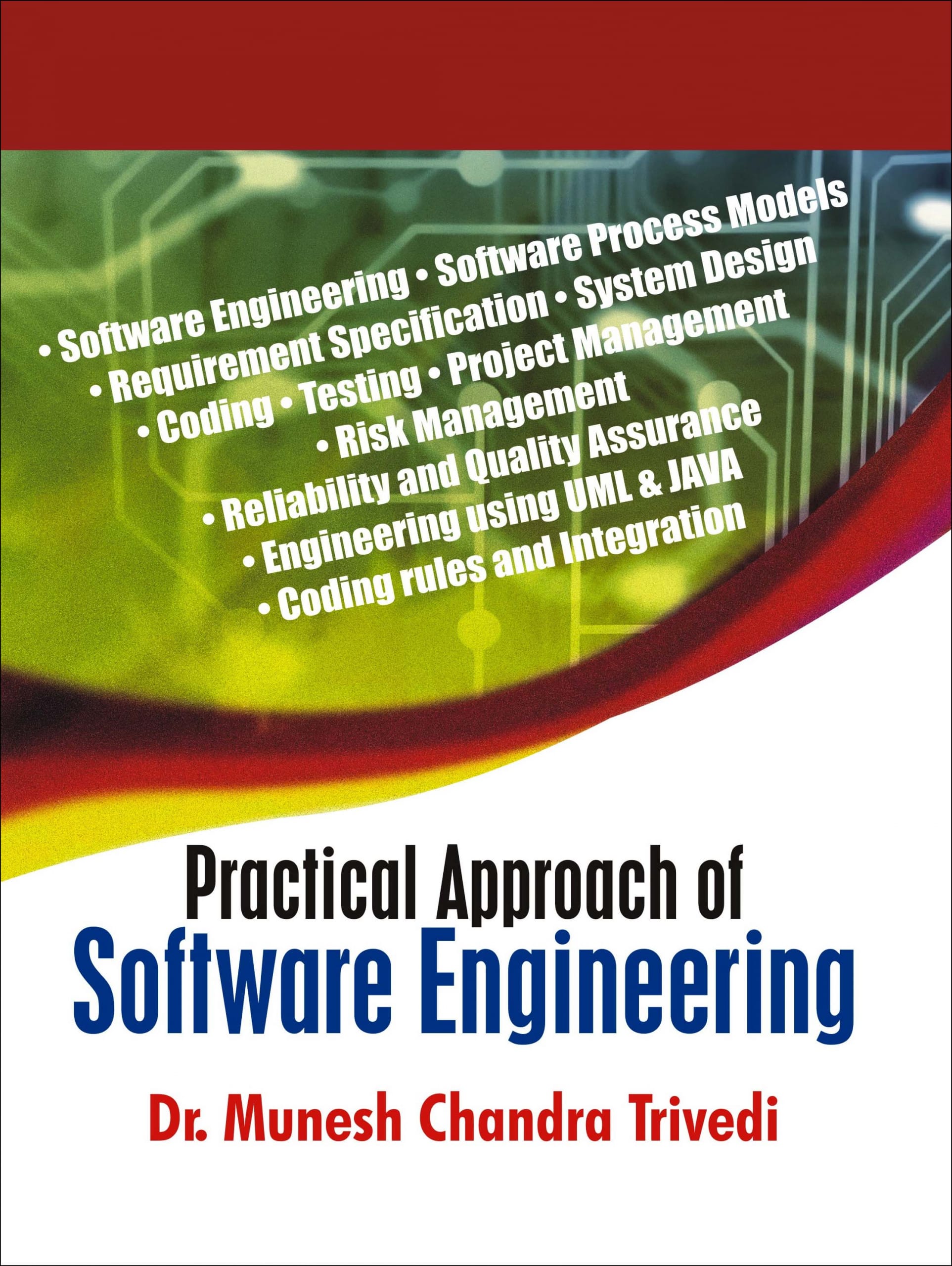
Practical Approach of Software Engineering
by: Munesh Chandra Trivedi
In Stock Language : English
Category : Computer Science Engineering, Book Store
$215.00
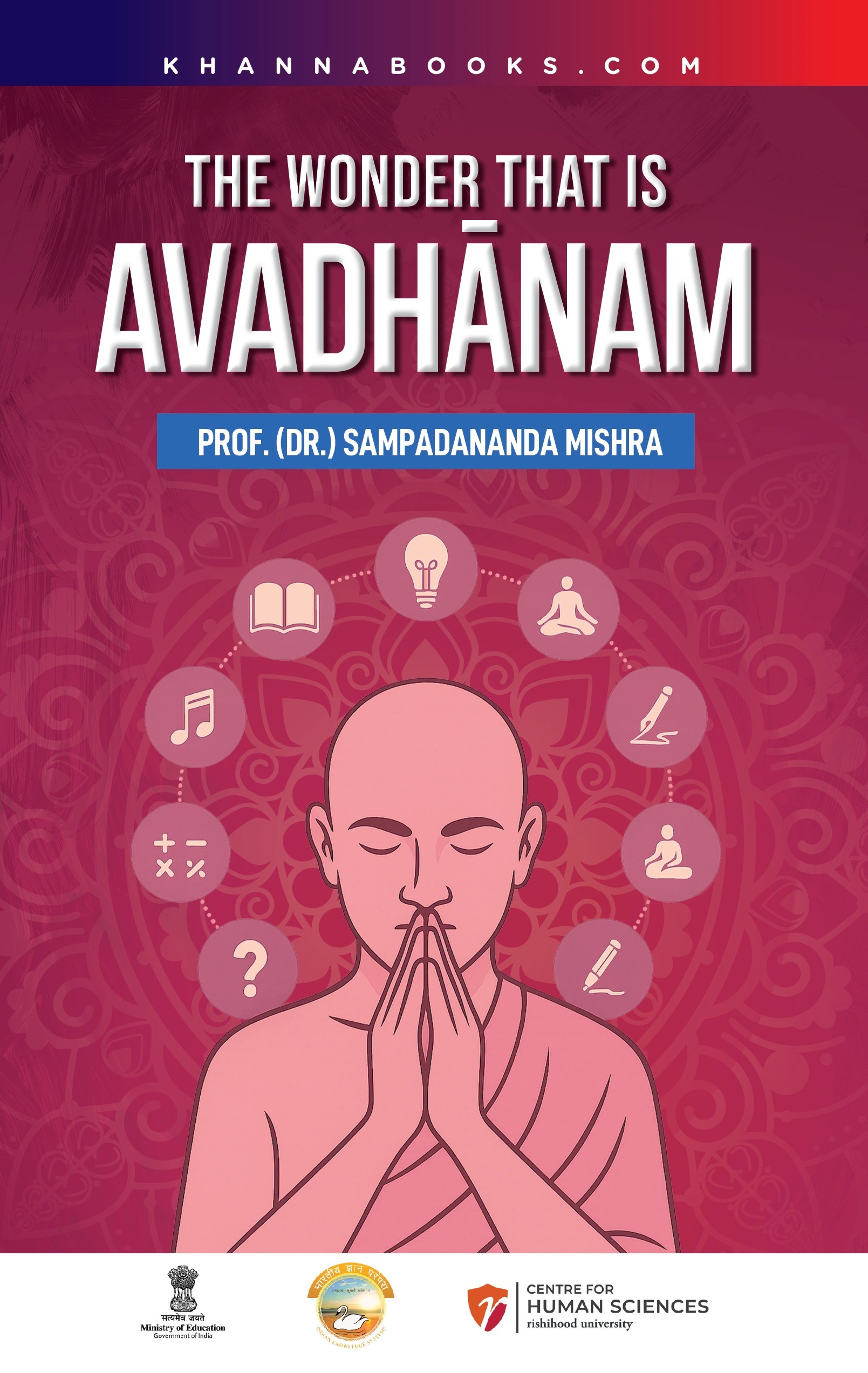
The Wonder That is Avadhanam
by: Sampadananda Mishra
In Stock Language : English
Category : New Arrivals, Book Store, Education & Knowledge Systems
$199.00
Energy Conservation in Buildings
by: O.P. Jakhar
In Stock Language : English
Category : UNIVERSITY RECOMMENDED, Civil Engineering, Civil Engineering, Book Store
$399.00
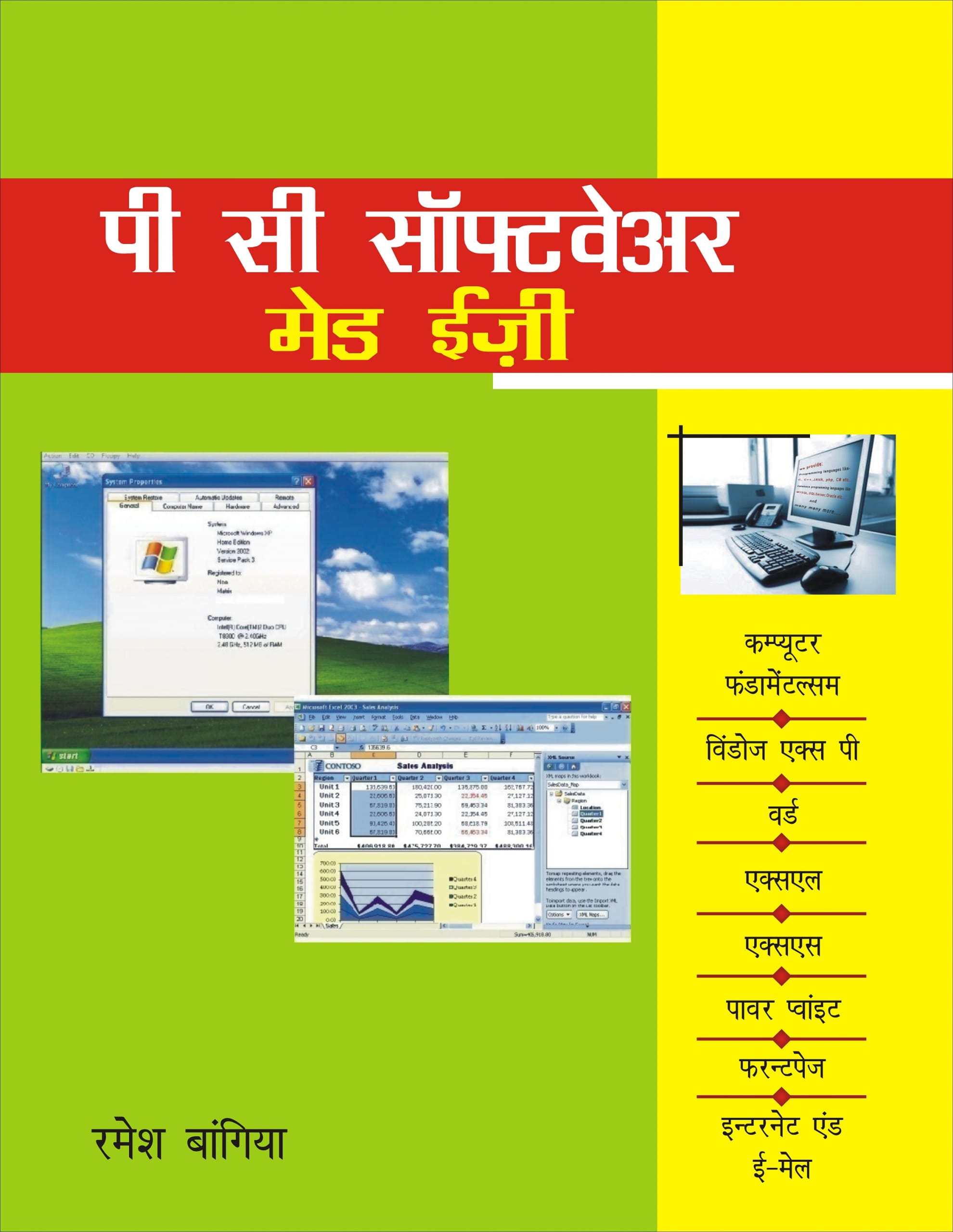
PC Software Made Easy
by: Ramesh Bangia
In Stock Language : Hindi
Category : Computer Books - Hindi, Book Store, BASIC COMPUTER BOOKS
$275.00
Foundation of Data Science
by: P. Nandhini, R. Sasirekh, P.Krishnaveni
In Stock Language : English
Category : New Arrivals, Computer Science Engineering, Book Store, Sathyabama Series
$248.00