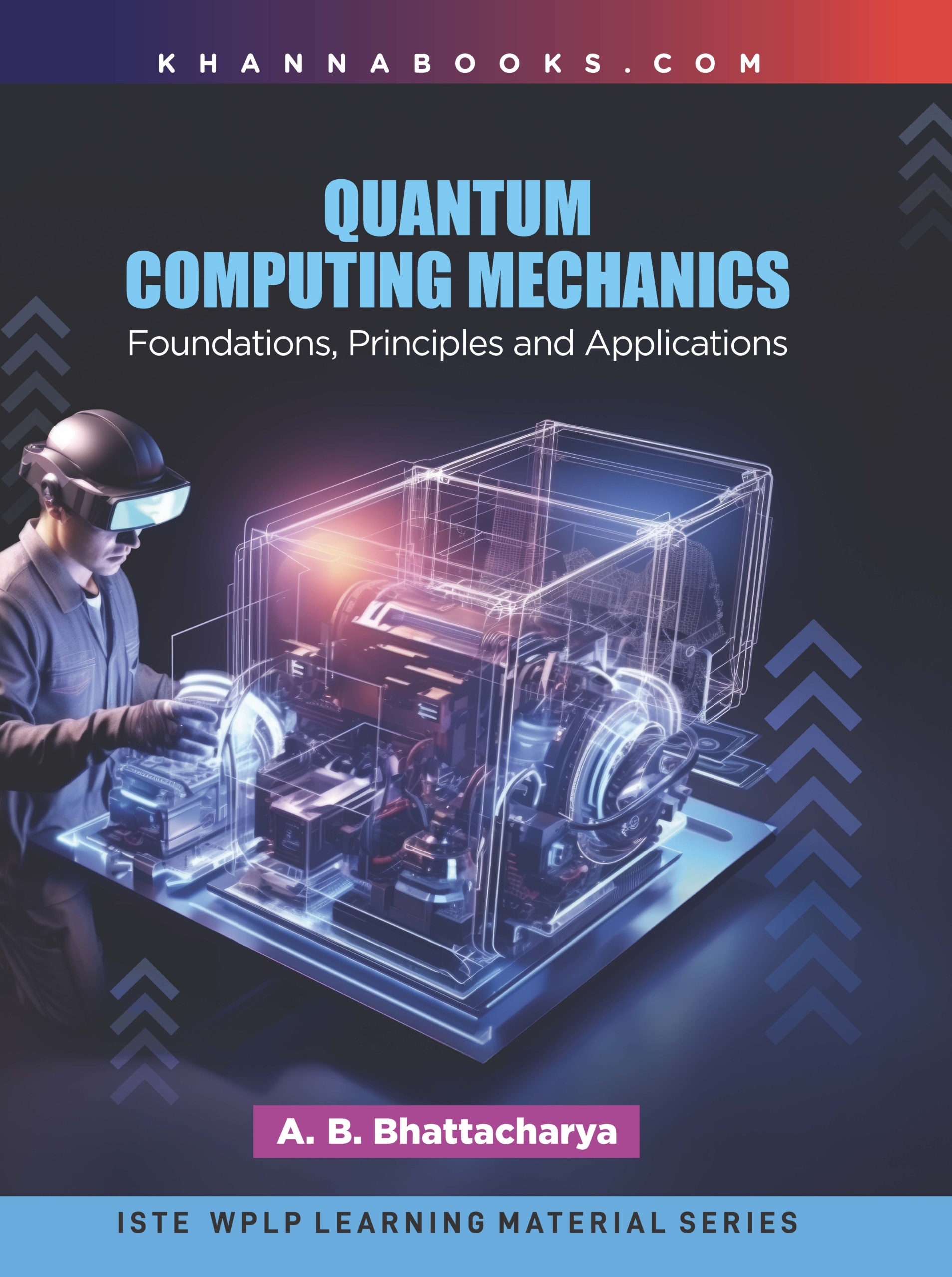
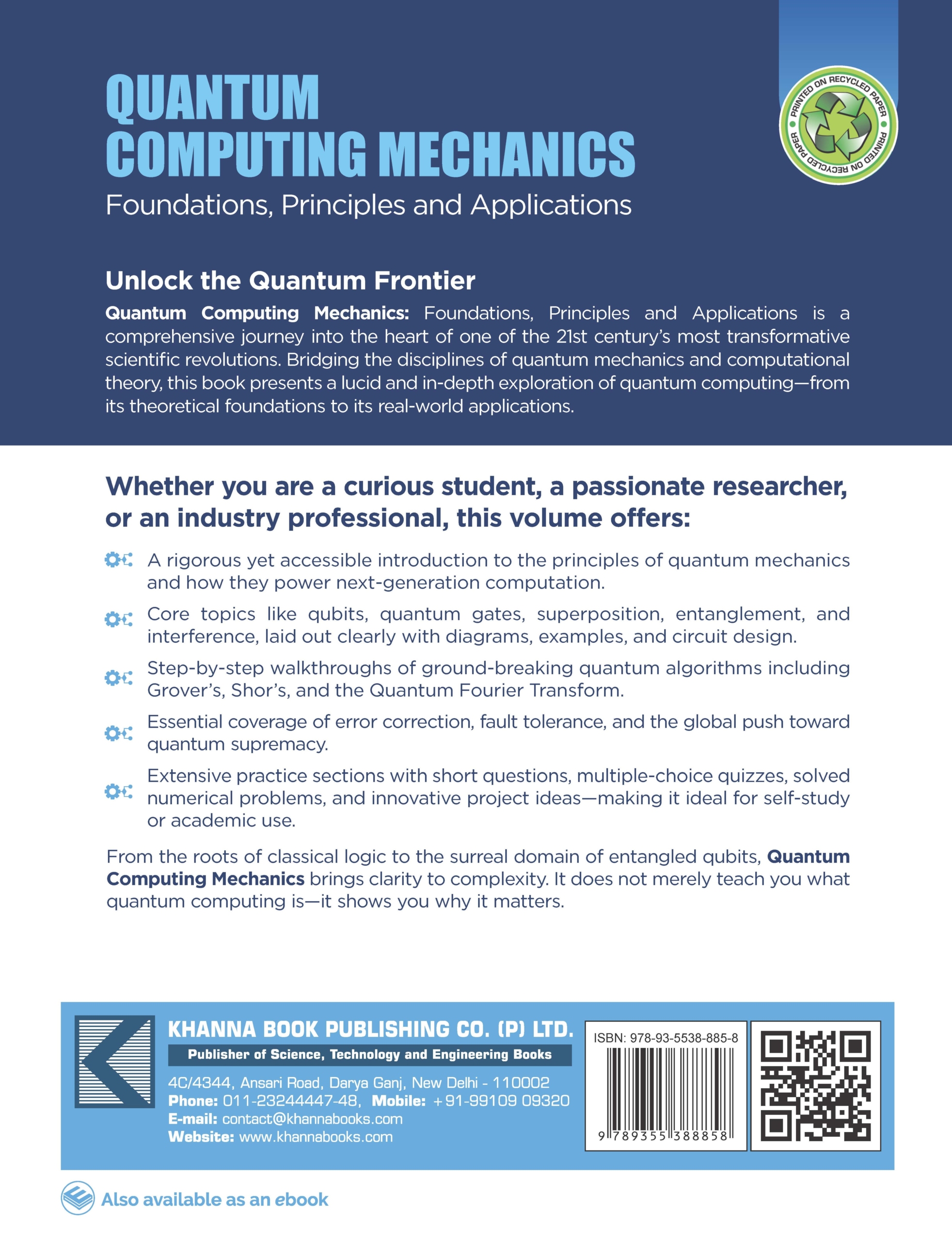
Quantum Computing Mechanics(Foundations, Principles and Applications)
 In Stock
Quantum Computing Mechanics(Foundations, Principles and Applications) Unlock the Quantum Frontier Quantum Computing Mechanics: Foundations, Principles and Applications is a comprehensive journey into the heart of one of the 21st century’s most transformative scientific revolutions. Bridging the disciplines of quantum mechanics and computational theory, this book presents a lucid and in-depth exploration of quantum computing—from its theoretical foundations to its real-world applications. Whether you are a curious student, a passionate researcher, or an industry professional, this volume offers:
- A rigorous yet accessible introduction to the principles of quantum mechanics and how they power next-generation computation.
- Core topics like qubits, quantum gates, superposition, entanglement, and interference, laid out clearly with diagrams, examples, and circuit design.
- Step-by-step walkthroughs of groundbreaking quantum algorithms including Grover’s, Shor’s, and the Quantum Fourier Transform.
- Essential coverage of error correction, fault tolerance, and the global push toward quantum supremacy.
- Extensive practice sections with short questions, multiple-choice quizzes, solved numerical problems, and innovative project ideas—making it ideal for self-study or academic use.
From the roots of classical logic to the surreal domain of entangled qubits, Quantum Computing Mechanics brings clarity to complexity. It does not merely teach you what quantum computing is—it shows you why it matters.
- Preface
- Acknowledgements
- FOUNDATIONS IN QUANTUM COMPUTING MECHANICS
- OUTLINES OF QUANTUM MECHANICS
- THE QUBIT AND QUANTUM GATES AS BUILDING BLOCKS
- QUANTUM LOGIC GATES AND CIRCUITS
- QUANTUM PARALLELISM AND INTERFERENCE
- QUANTUM ENTANGLEMENT AND NONLOCALITY
- QUANTUM ALGORITHMS
- QUANTUM ERROR CORRECTION AND FAULT TOLERANCE
- APPENDICES

A. B. Bhattacharya
Prof. A. B. Bhattacharya did his MSc and PhD degree from the University of Calcutta in Physics and Post-doc from the Massachusetts Institute of Technology (MIT), Cambridge, USA. He worked in close collaboration with the leading laboratories like Lincoln Laboratory; Milestone Hill Observatory; Earth, Atmospheric and Planetary Sciences division of MIT and many other well recognized laboratories in India and abroad. He served as Professor & Head of the Department of Physics, University of Kalyani; Dean of Research and Head of the ECE Department, Techno India University; Pro Vice Chancellor of JIS University and Director of Brainware University. He has published 32 text books for Science and Engineering students, two popular books for general readers and over 400 research articles in reputed International Journals. Under his supervision 24 scholars received their doctoral degree. He is a fellow of the Institute of Electronics and Telecommunication Engineers and member of many scientific organizations. India International Friendship Society awarded him the prestigious "Shiksha Ratna Award" and Certificate of Excellence for meritorious services, outstanding performance and significant contribution to education. The International Institute of Success Awareness hon0red him with their globally recognized "Glory of India Gold Medal" for his outstanding contribution to the national stature of India. A few words from the certificate issued by Prof. Williams of MIT may be quoted "Our collaborative effort was directed at the wavelength dependence of radar echoes observations with the Millstone Hill UHF radar in Westford. He made use of the Charles River Data System computer in the Weather Radar Laboratory for these calculations. His results help to make a convincing case that the volume reflectivity associated with lighting is a diminishing function of radar wavelength, contrary to contemporary thinking". Dr.
Customer Feedback
No reviews yet. Be the first to review this product!
Other Books by Author(s)
View All
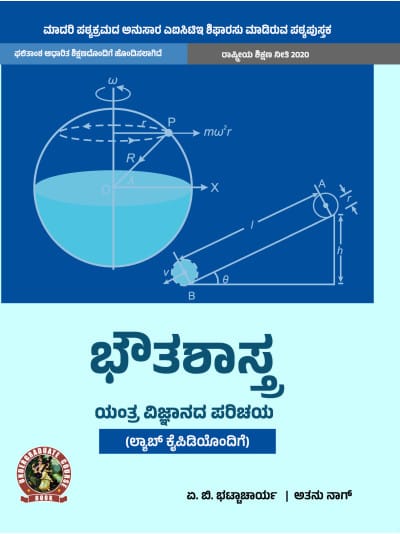
Physics (Introduction to Mechanics)
Kannada
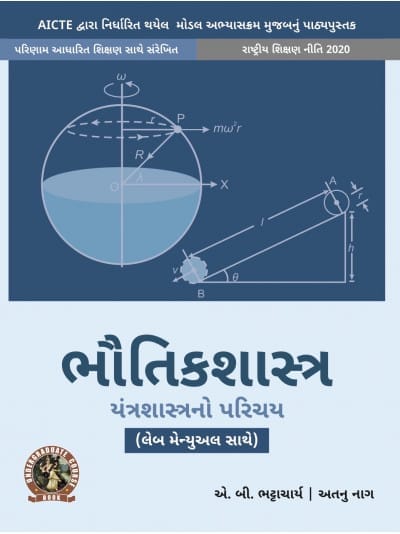
Physics (Introduction to Mechanics) (with Lab Manual)
Gujarati
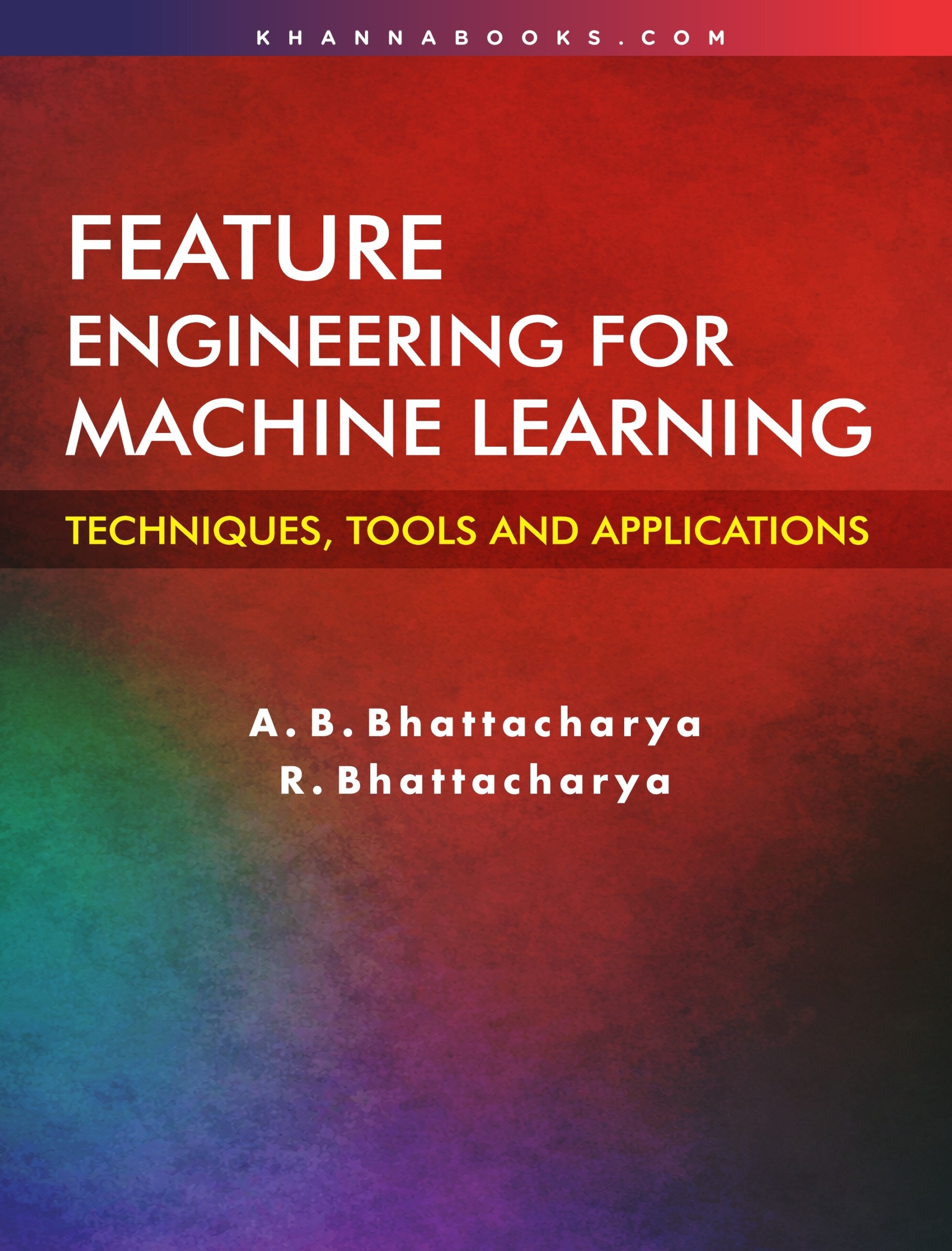
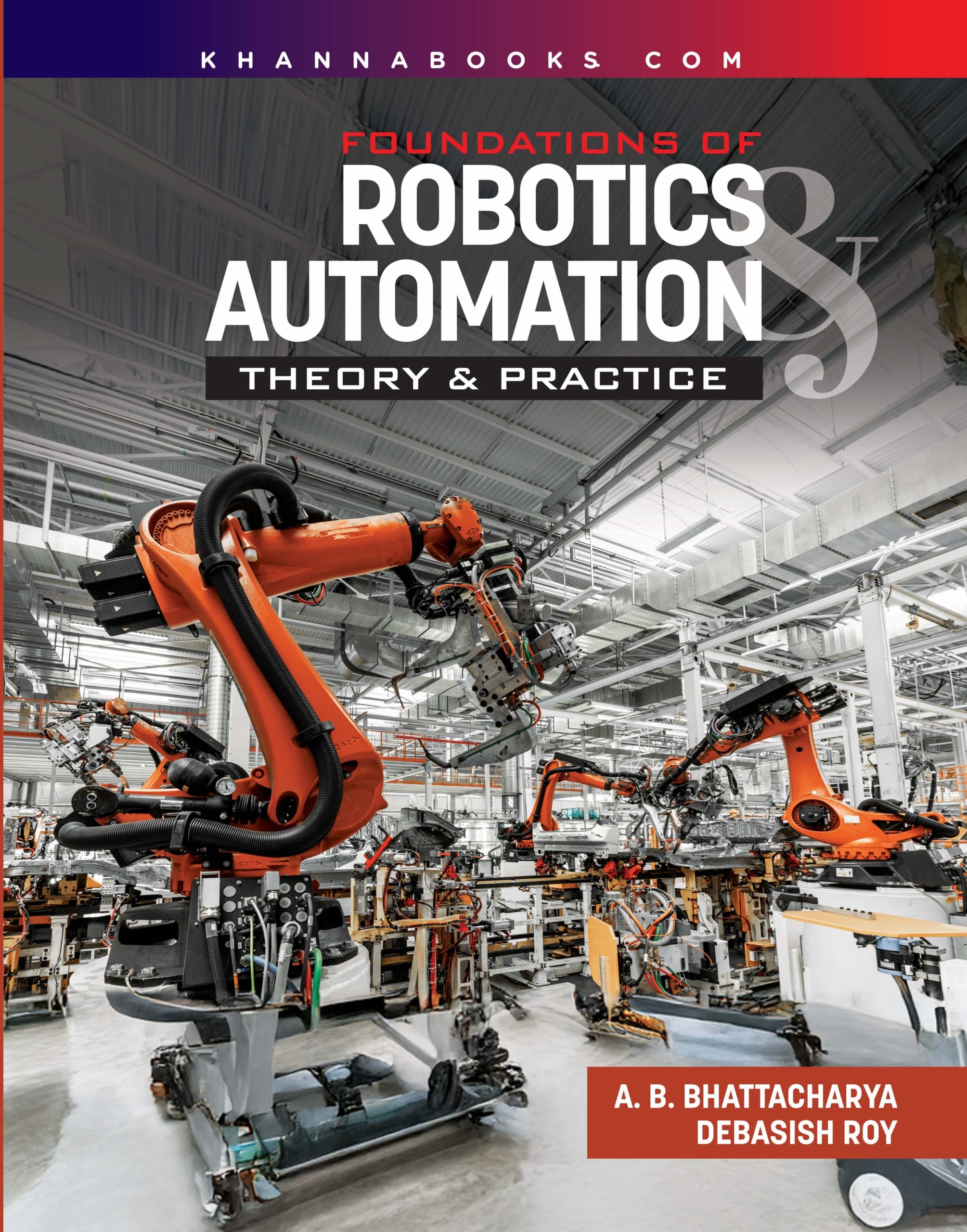
Foundations of Robotics & Automation (Theory & Practice)
English
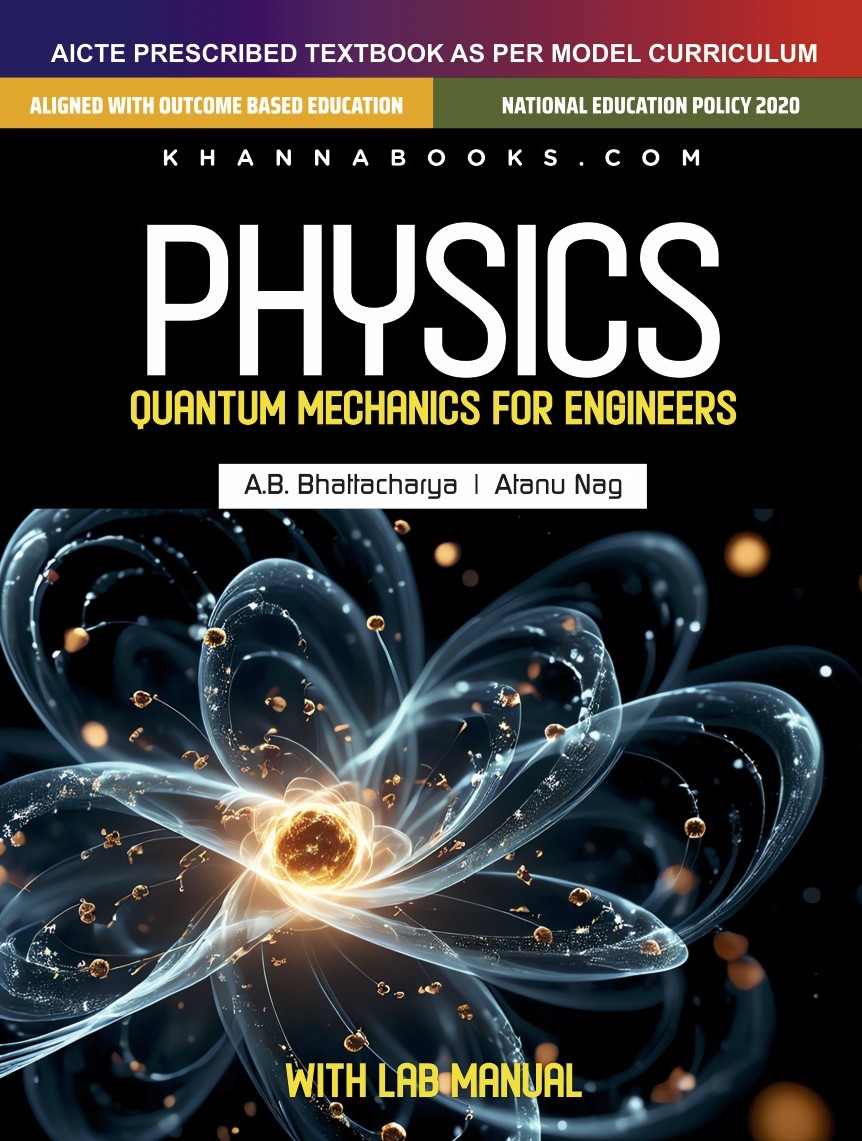
Physics (Quantum Mechanics for Engineers) With Lab Manual
English
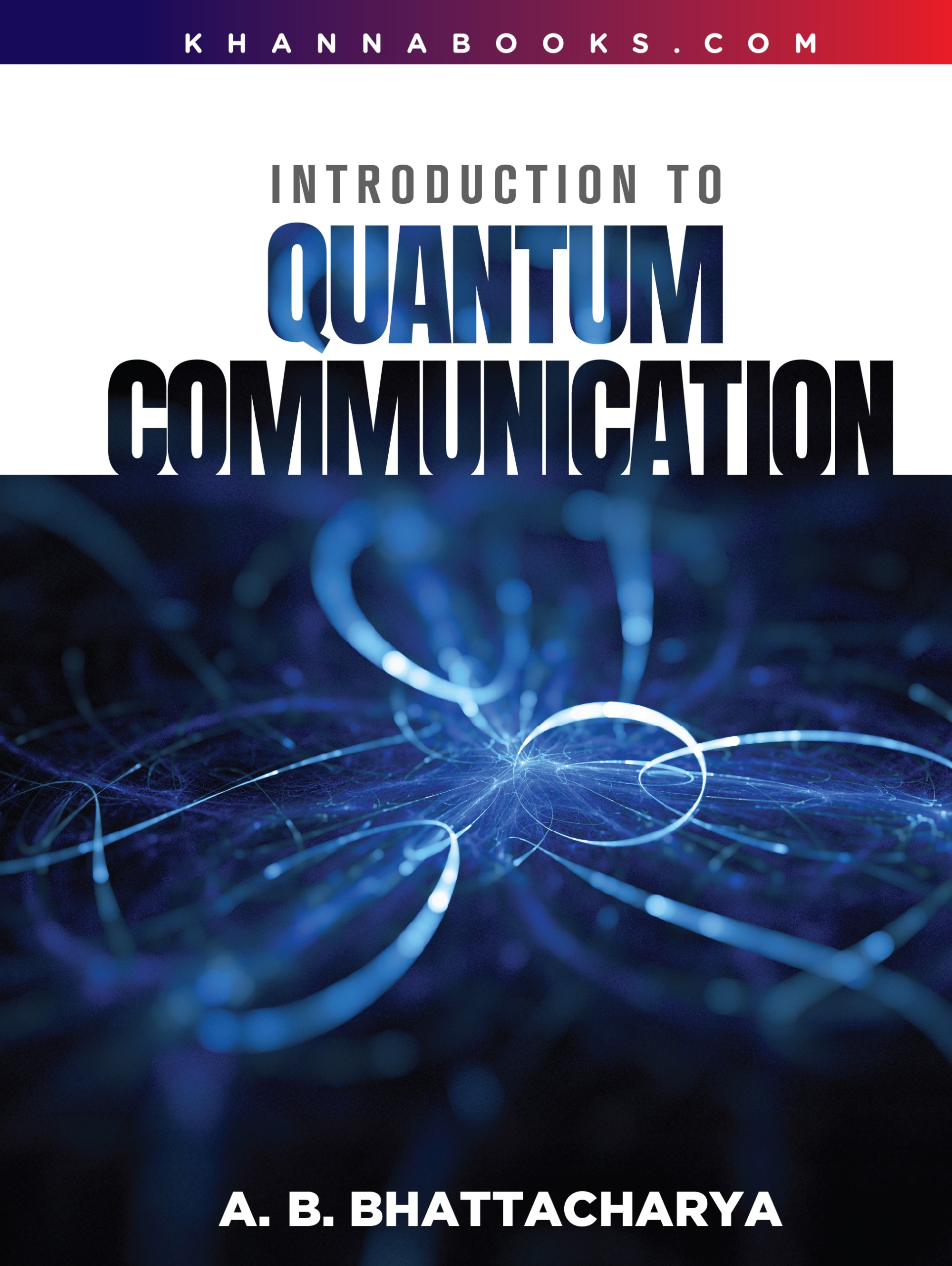
Introduction to Quantum Communication
English
Integrated Radar & Radio Navigation
English
Related Products
Browse All Books
Internet and Web Technology
English
Fundamentals of Information Technology
English
Theory of Automata and Formal Languages
English
Data Structures Using C
English
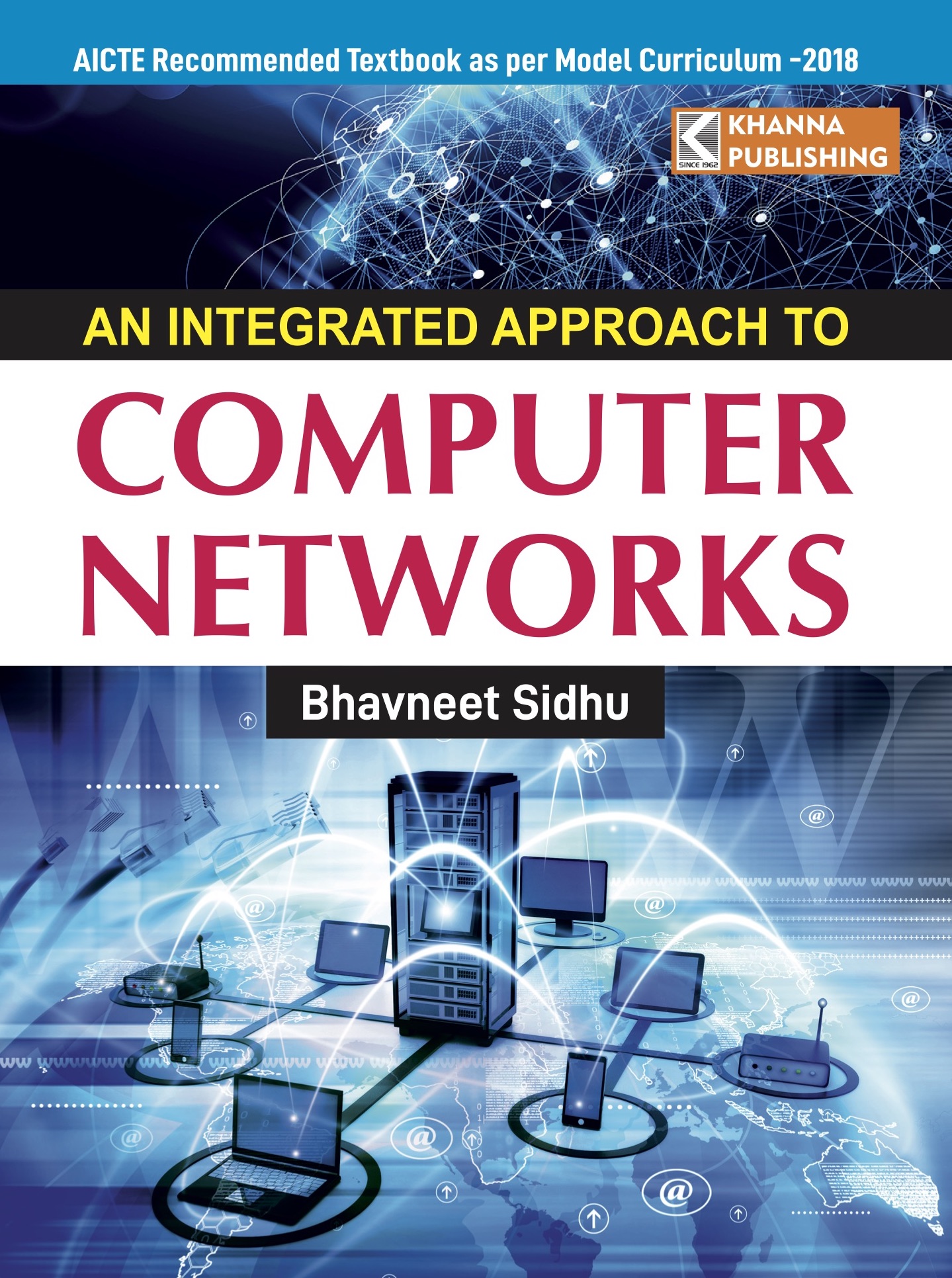
An Integrated Approach to Computer Networks
English
Discrete Mathematics and its Applications
English
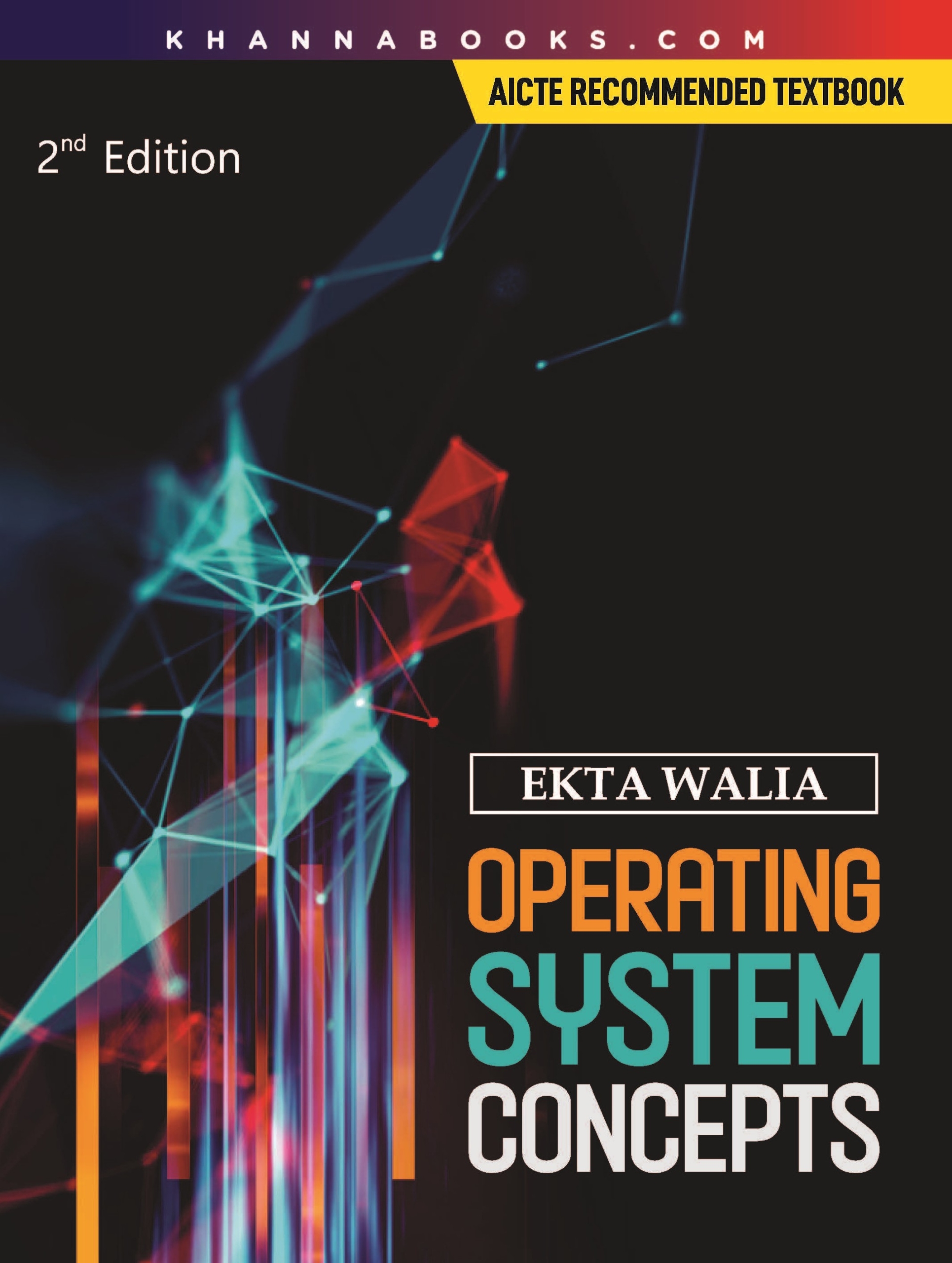
Operating System Concepts
English
C++ Program Design
English
Internet and Web Technology
In Stock
Fundamentals of Information Technology
In Stock
Theory of Automata and Formal Languages
In Stock
Data Structures Using C
In Stock
An Integrated Approach to Computer Networks
In Stock
Discrete Mathematics and its Applications
In Stock
Operating System Concepts
In Stock
C++ Program Design
In Stock
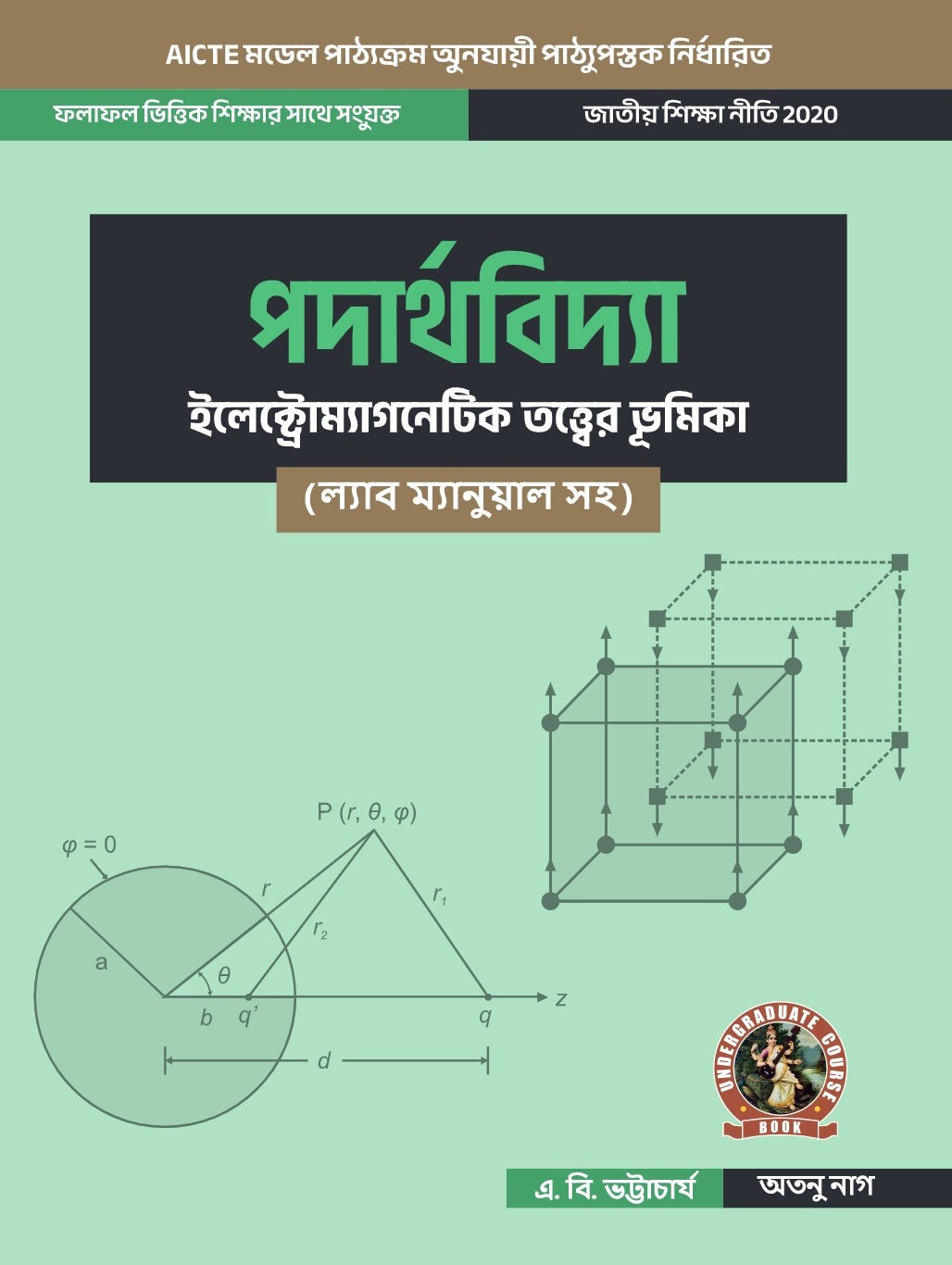
Physics (Introduction to Electromagnetic Theory) (with Lab Manual)
In Stock
Physics (Introduction to Electromagnetic Theory) (with Lab Manual)
In Stock
Physics (Introduction to Mechanics)
In Stock
Physics (Introduction to Mechanics) (with Lab Manual)
In Stock
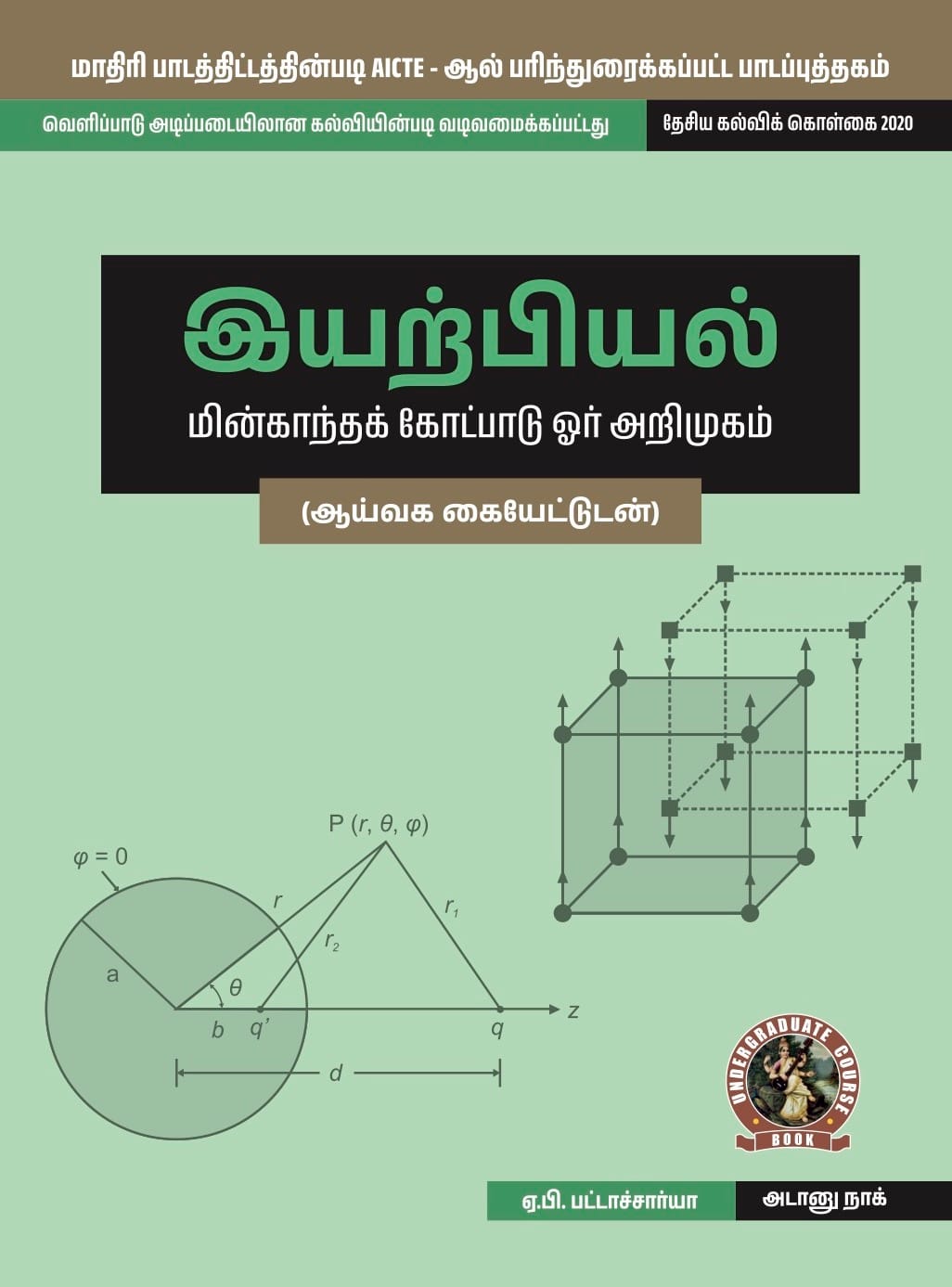
Physics (Introduction to Electromagnetic Theory) (with Lab Manual)
In Stock
Feature Engineering for Machine Learning (Techniques, Tools and Applications)
In Stock
Foundations of Robotics & Automation (Theory & Practice)
In Stock
Physics (Quantum Mechanics for Engineers) With Lab Manual
In Stock
Introduction to Quantum Communication
In Stock
Integrated Radar & Radio Navigation
In Stock