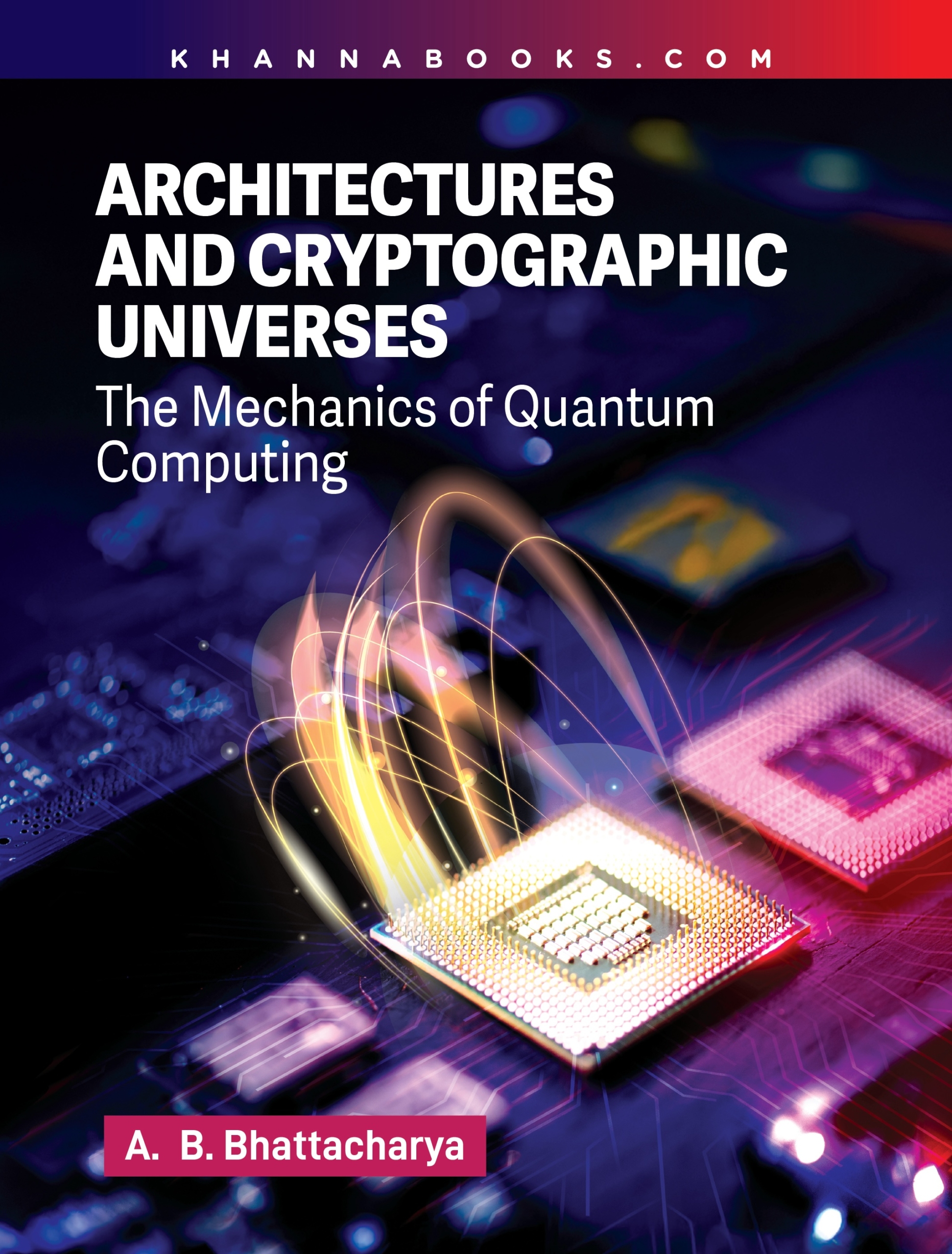
Architectures And Cryptographic Universes (The Mechanics of Quantum Computing)
 In Stock
Architectures And Cryptographic Universes (The Mechanics of Quantum Computing)
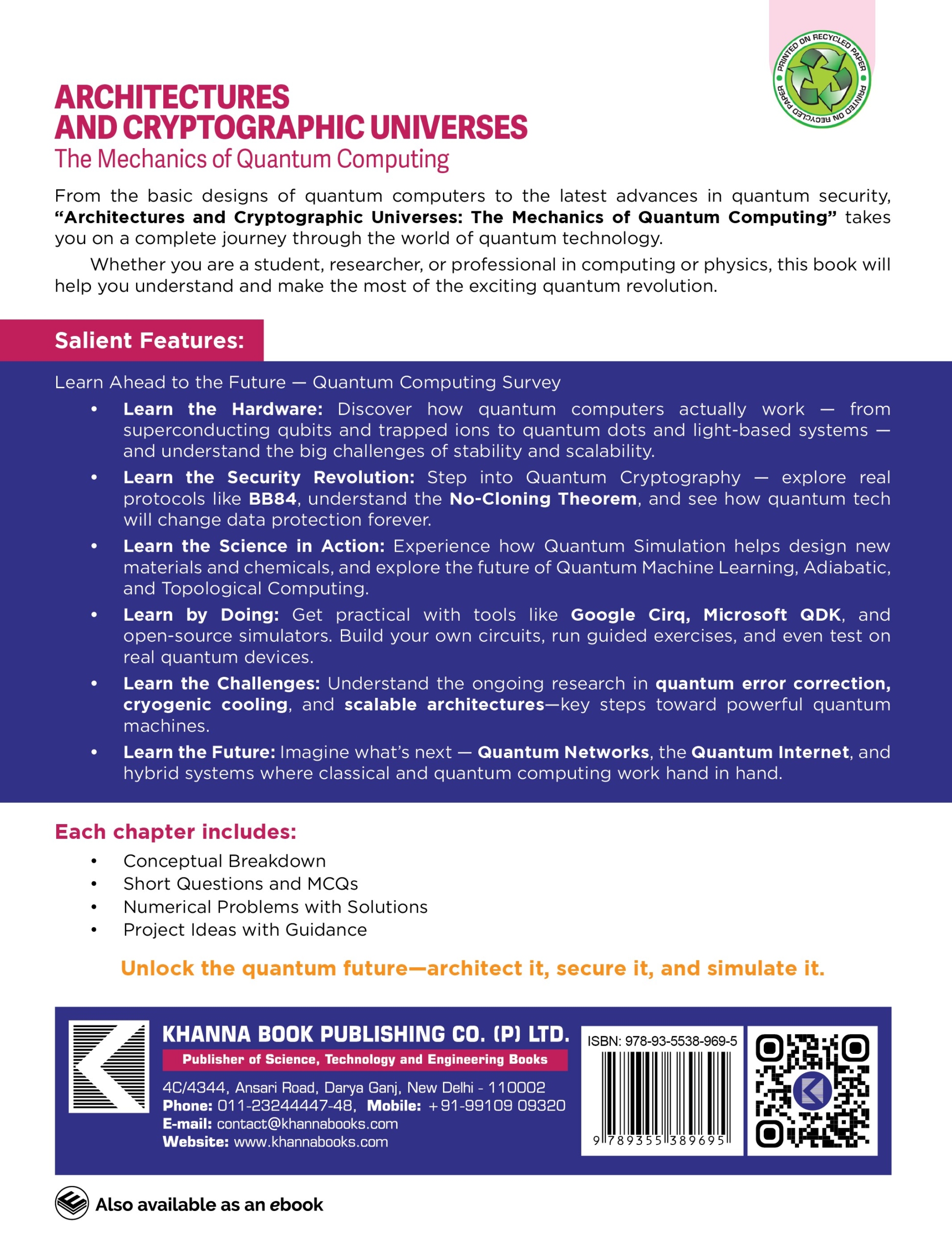
From the basic designs of quantum computers to the latest advances in quantum security. “Architectures and Cryptographic Universes: The Mechanics of Quantum Computing” takes you on a complete journey through the world of quantum technology.
Whether you are a student, researcher, or professional in computing or physics, this book will help you understand and make the most of the exciting quantum revolution.
Salient Features:
Learn Ahead to the Future – Quantum Computing Survey
- Learn the Hardware: Discover how quantum computers actually work – from superconducting qubits and trapped ions to quantum dots and light-based systems – and understand the big challenges of stability and scalability.
- Learn the Security revolution: Step into Quantum Cryptography – explore real protocols like BB84, understand the No-Cloning Theorem, and see how quantum tech will change data protection forever.
- Learn the Science in Action: Experience how Quantum Simulation helps, design new materials and chemicals, and explore the future of Quantum Machine Learning, adiabatic, and topological computing.
- Learn by Doing: Get practical with tools like Google cirq, Microsoft QDK, and open-source simulators. Build your own circuits, rum guided exercises, and even text on real quantum devices.
- Learn the Challenges: Understand the ongoing research in quantum error correction, cryogenic cooling, and scalable architectures – key steps toward powerful quantum machines.
- Learn the future: Imagine what’s next – Quantum Networks, the Quantum Internet, and hybrid systems where classical and quantum computing work hand in hand.
Each chapter Includes:
- Conceptual Breakdown
- Short Questions and MCQs
- Numerical Problems with Solutions
- Project Ideas with Guidance
- Preface
- Acknowledgements
- QUANTUM COMPUTING ARCHITECTURES
- QUANTUM CRYPTOGRAPHY
- QUANTUM SIMULATION
- QUANTUM MACHINE LEARNING
- ADVANCED TOPICS IN QUANTUM COMPURITN MECHANICS
- CHALLENGES IN QUANTUM COMPUTING MECHANICS
- HANDS-ON WITH QUANTUM COMPUTING MECHANICS
- FUTURE OF QUANTUM COMPUTING MECHANICS

A. B. Bhattacharya
Prof. A. B. Bhattacharya did his MSc and PhD degree from the University of Calcutta in Physics and Post-doc from the Massachusetts Institute of Technology (MIT), Cambridge, USA. He worked in close collaboration with the leading laboratories like Lincoln Laboratory; Milestone Hill Observatory; Earth, Atmospheric and Planetary Sciences division of MIT and many other well recognized laboratories in India and abroad. He served as Professor & Head of the Department of Physics, University of Kalyani; Dean of Research and Head of the ECE Department, Techno India University; Pro Vice Chancellor of JIS University and Director of Brainware University. He has published 32 text books for Science and Engineering students, two popular books for general readers and over 400 research articles in reputed International Journals. Under his supervision 24 scholars received their doctoral degree. He is a fellow of the Institute of Electronics and Telecommunication Engineers and member of many scientific organizations. India International Friendship Society awarded him the prestigious "Shiksha Ratna Award" and Certificate of Excellence for meritorious services, outstanding performance and significant contribution to education. The International Institute of Success Awareness hon0red him with their globally recognized "Glory of India Gold Medal" for his outstanding contribution to the national stature of India. A few words from the certificate issued by Prof. Williams of MIT may be quoted "Our collaborative effort was directed at the wavelength dependence of radar echoes observations with the Millstone Hill UHF radar in Westford. He made use of the Charles River Data System computer in the Weather Radar Laboratory for these calculations. His results help to make a convincing case that the volume reflectivity associated with lighting is a diminishing function of radar wavelength, contrary to contemporary thinking". Dr.
Customer Feedback
No reviews yet. Be the first to review this product!
Other Books by Author(s)
View All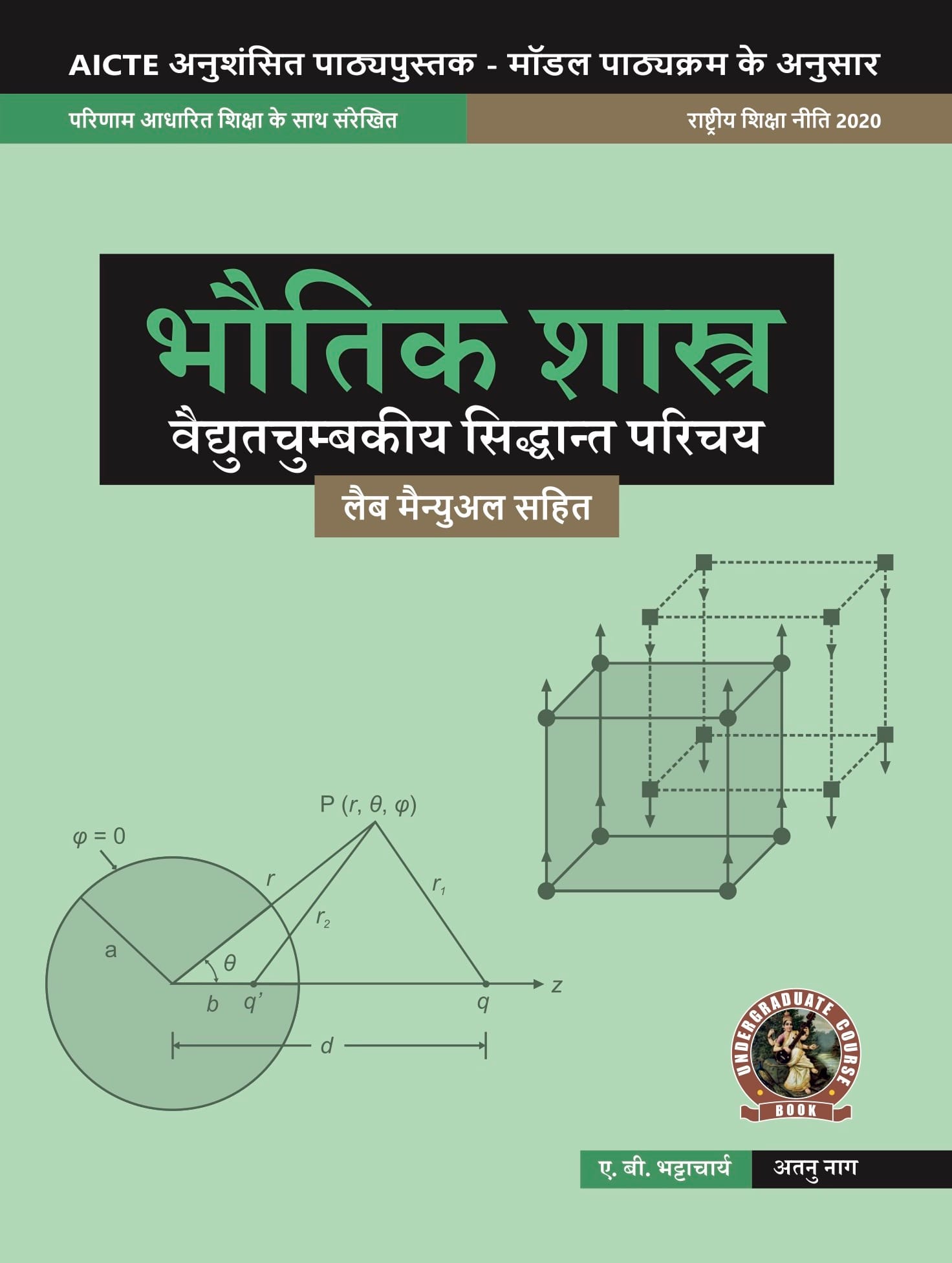
Physics (Introduction to Mechanics)
Kannada
Physics (Introduction to Mechanics) (with Lab Manual)
Gujarati
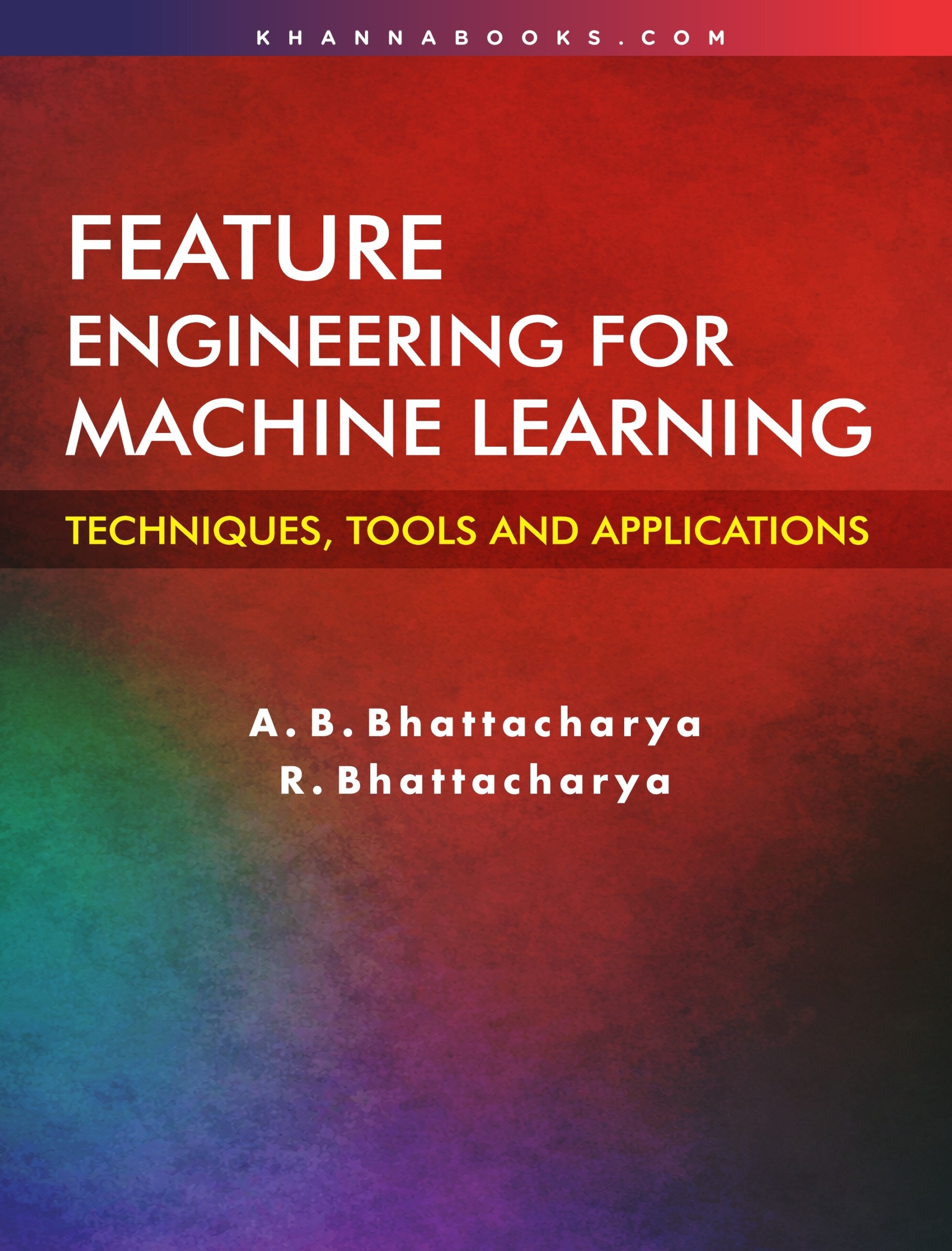
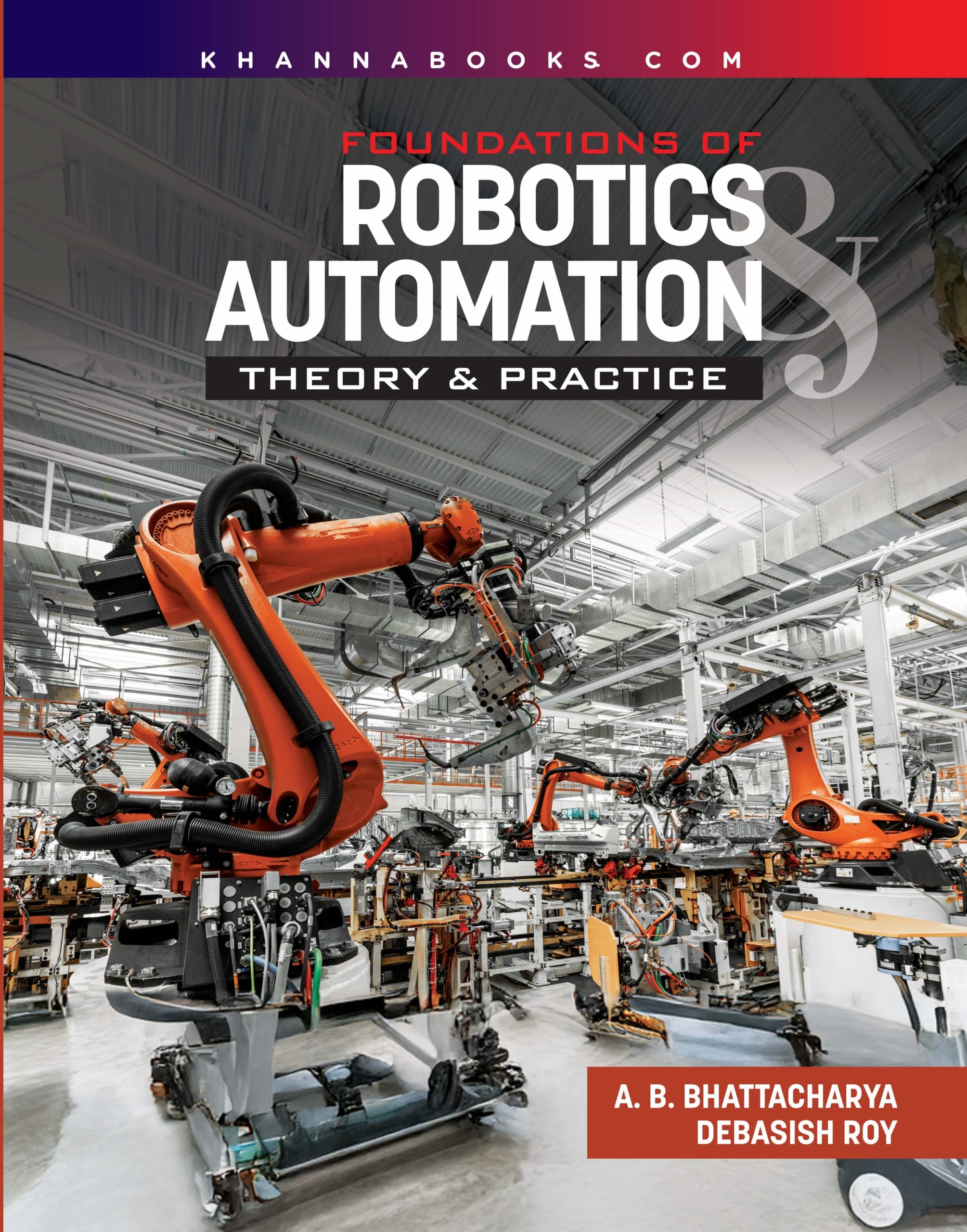
Foundations of Robotics & Automation (Theory & Practice)
English
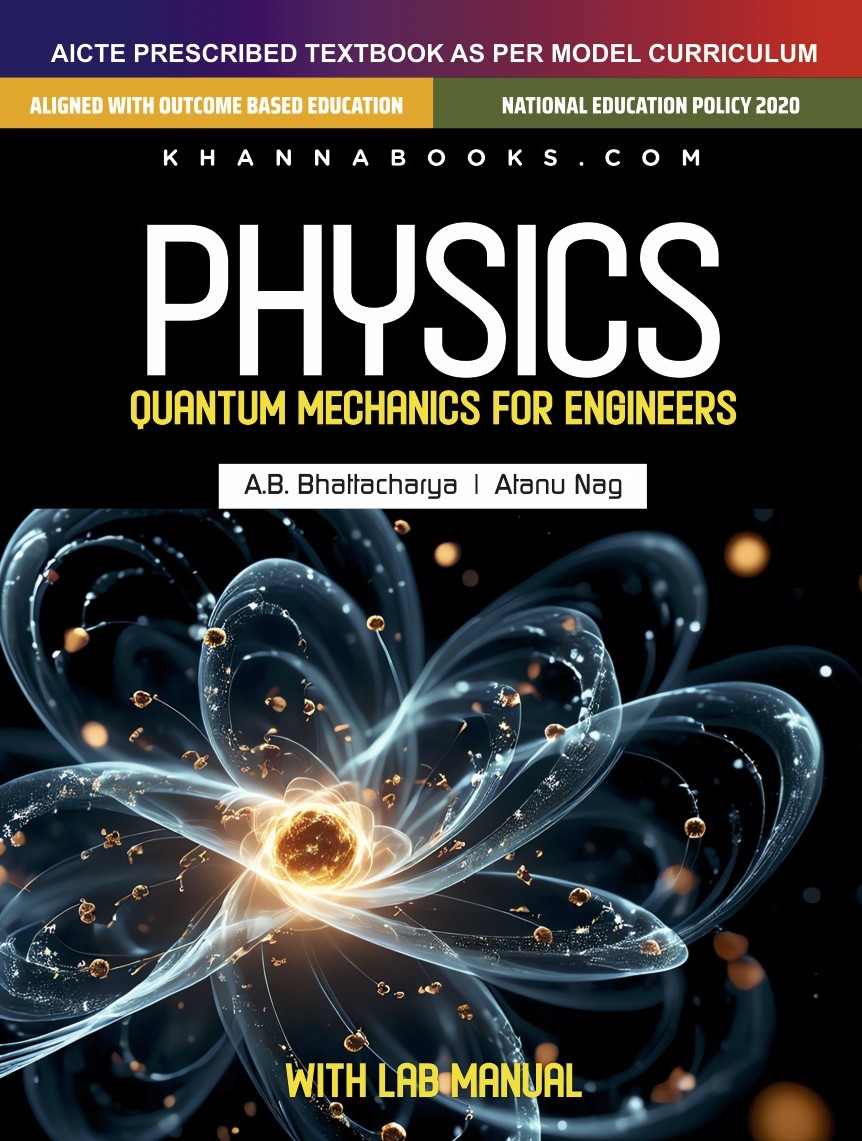
Physics (Quantum Mechanics for Engineers) With Lab Manual
English
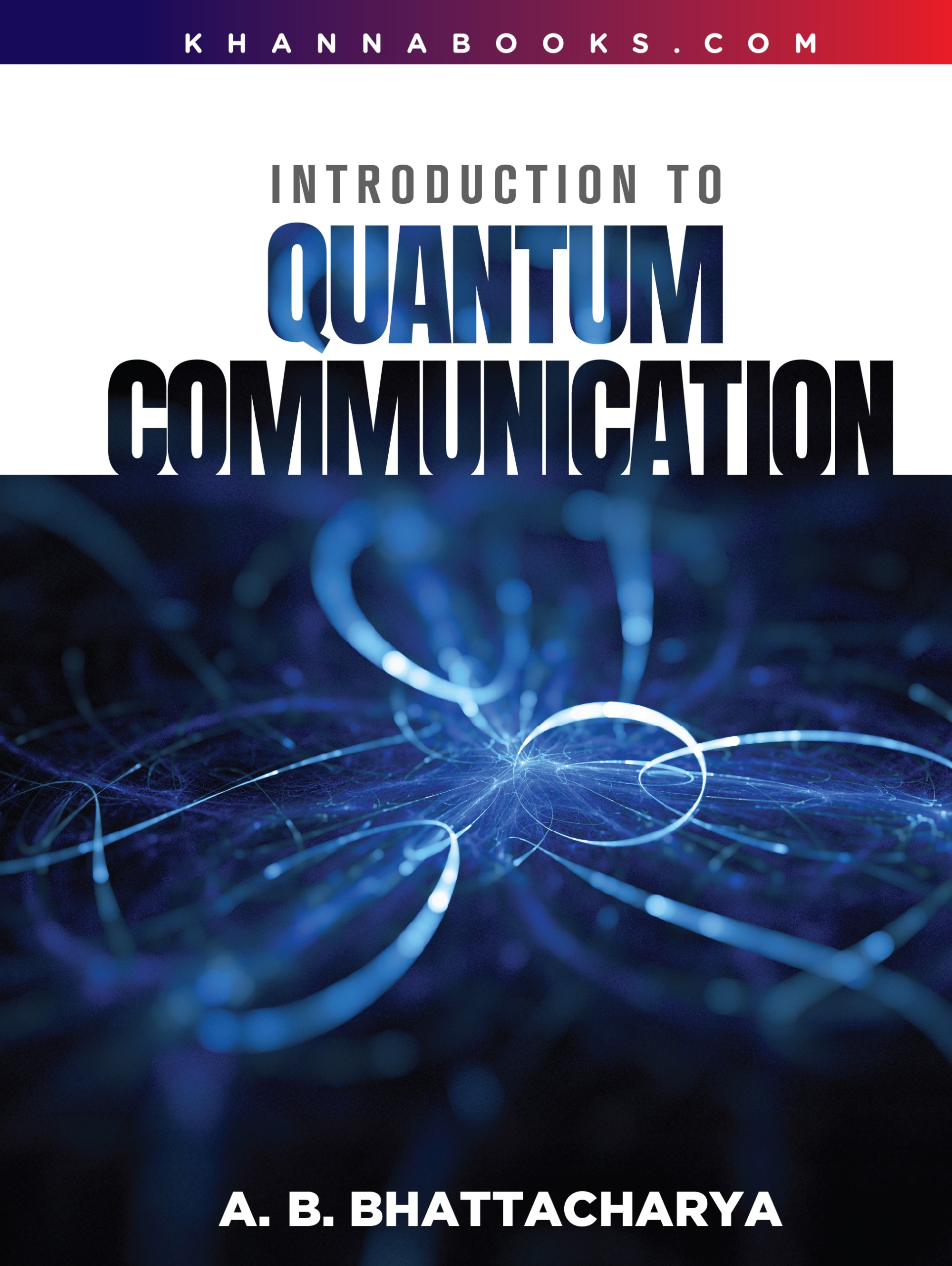
Introduction to Quantum Communication
English
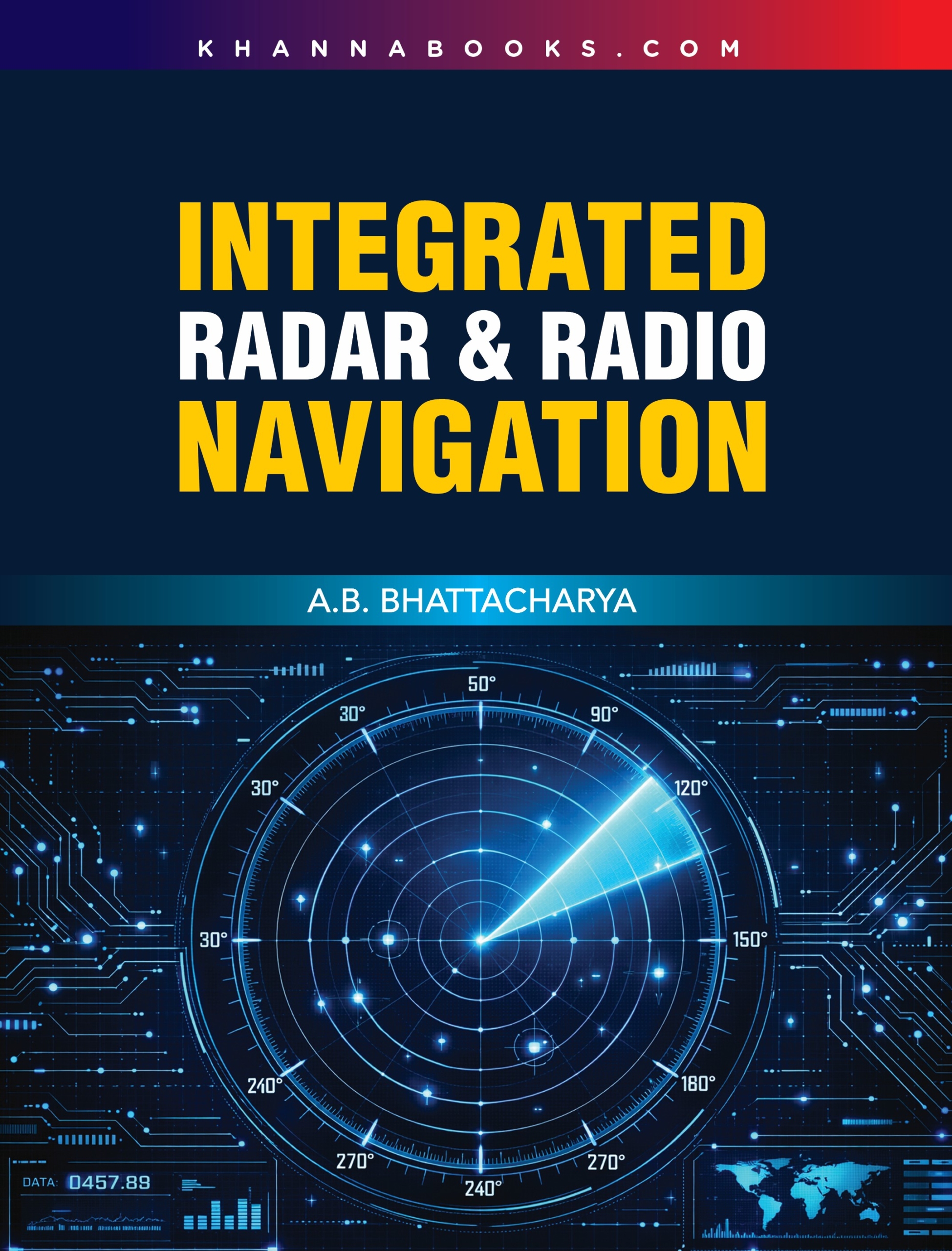
Integrated Radar & Radio Navigation
English
Related Products
Browse All Books
Water Treatment
English
AI Enhanced Cyber Threat
English

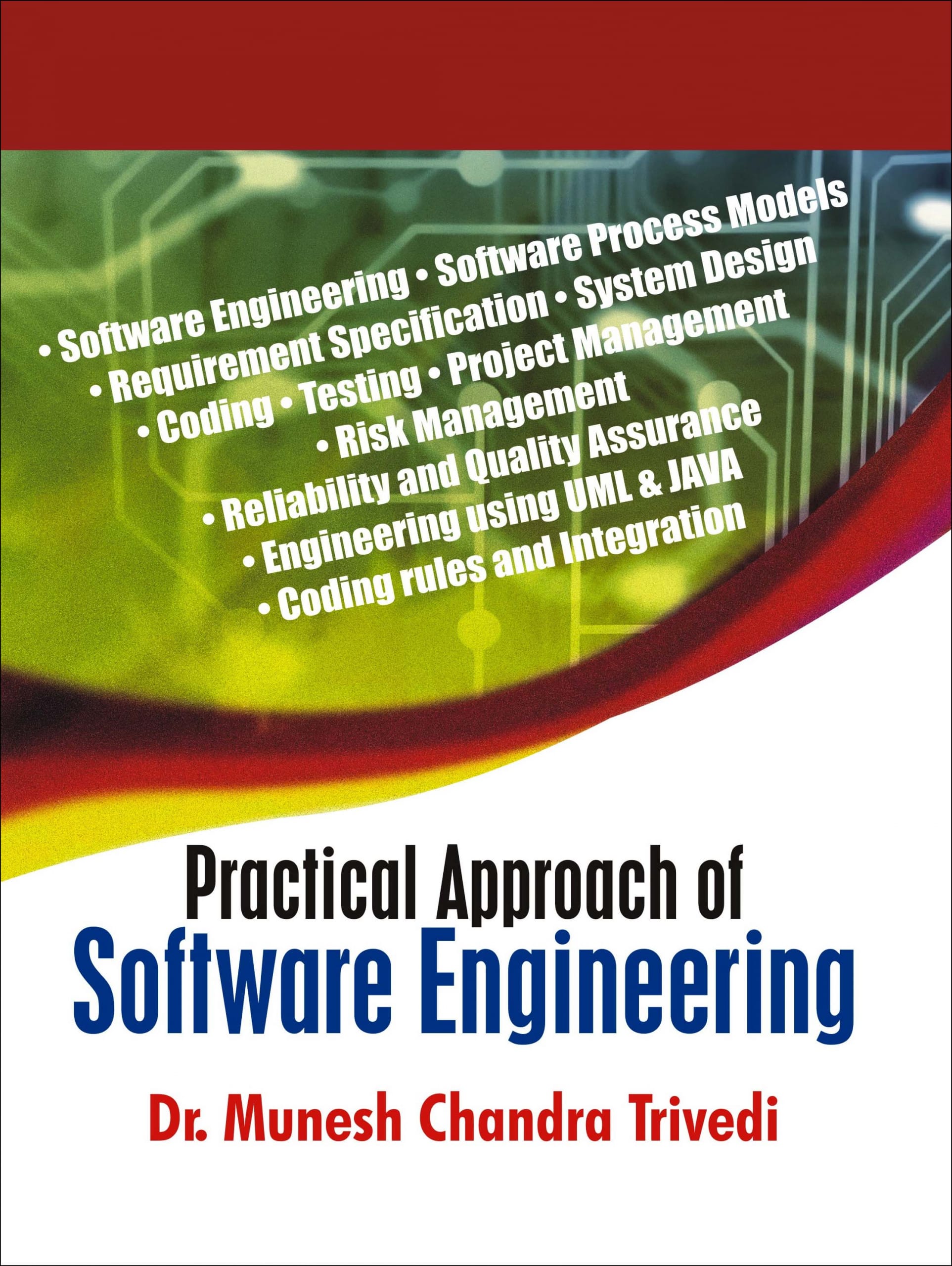
Practical Approach of Software Engineering
English
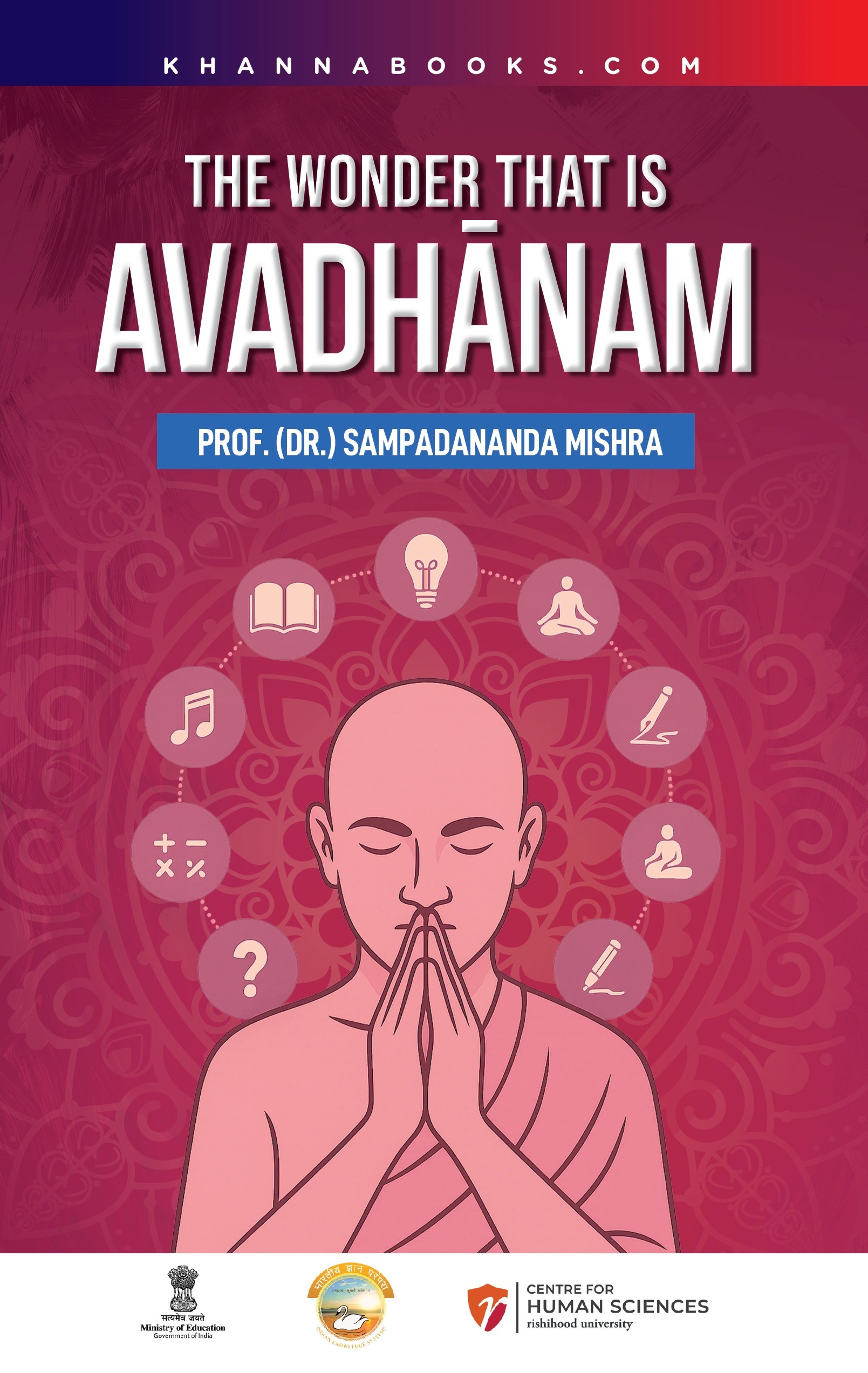
The Wonder That is Avadhanam
English

Energy Conservation in Buildings
English
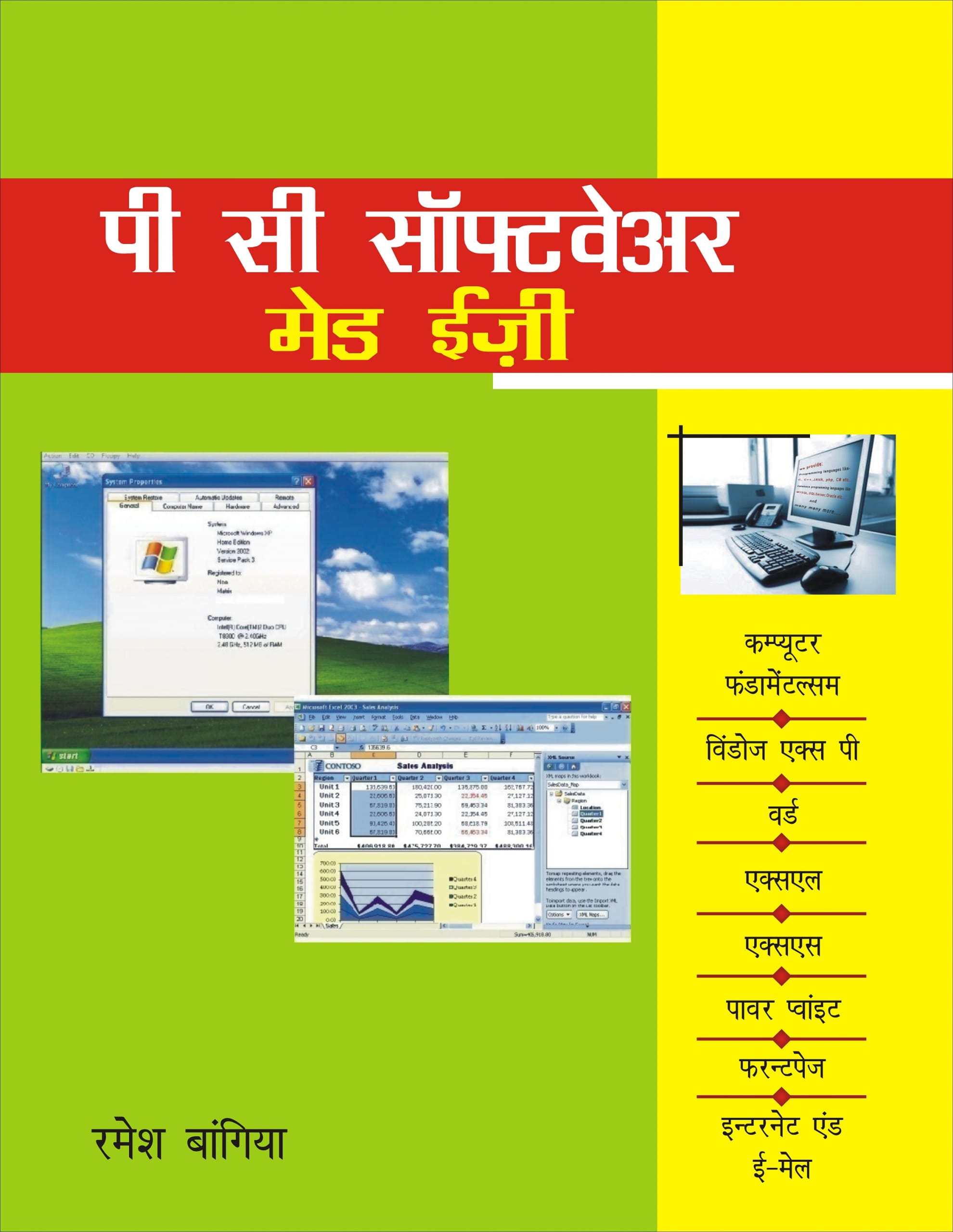
PC Software Made Easy
Hindi
Recently Viewed Products
View All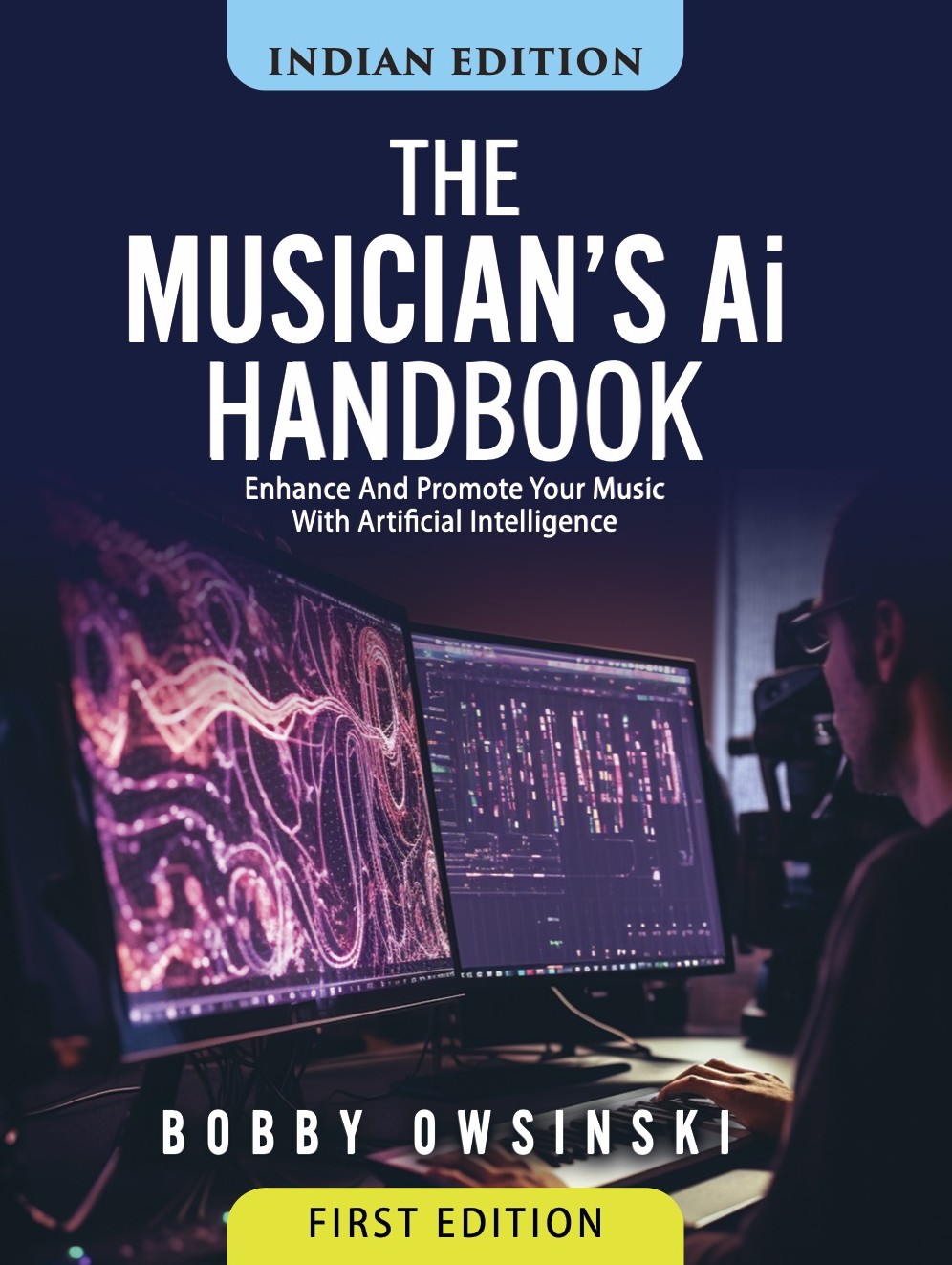
The Musician's Ai Handbook (Indian Edition)
English
Khanna's Objective Type Questions & Answers in Energy Technology
English
Generalized Theory of Electrical Machines
English
The Road Ahead 2.0 Volume-1 (Colour Edition)
English
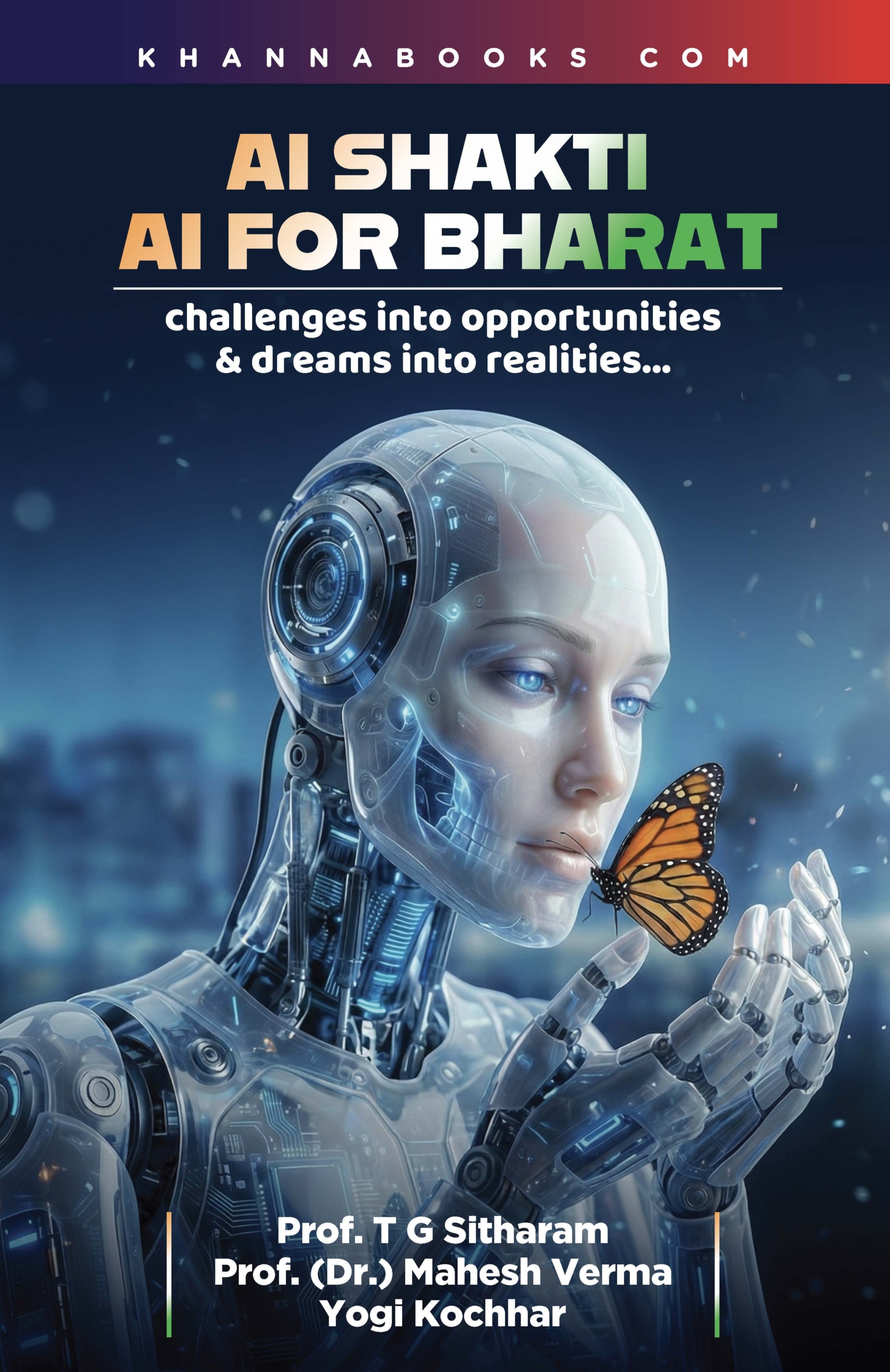
AI Shakti, AI for Bharat (Coloured Addition)
English
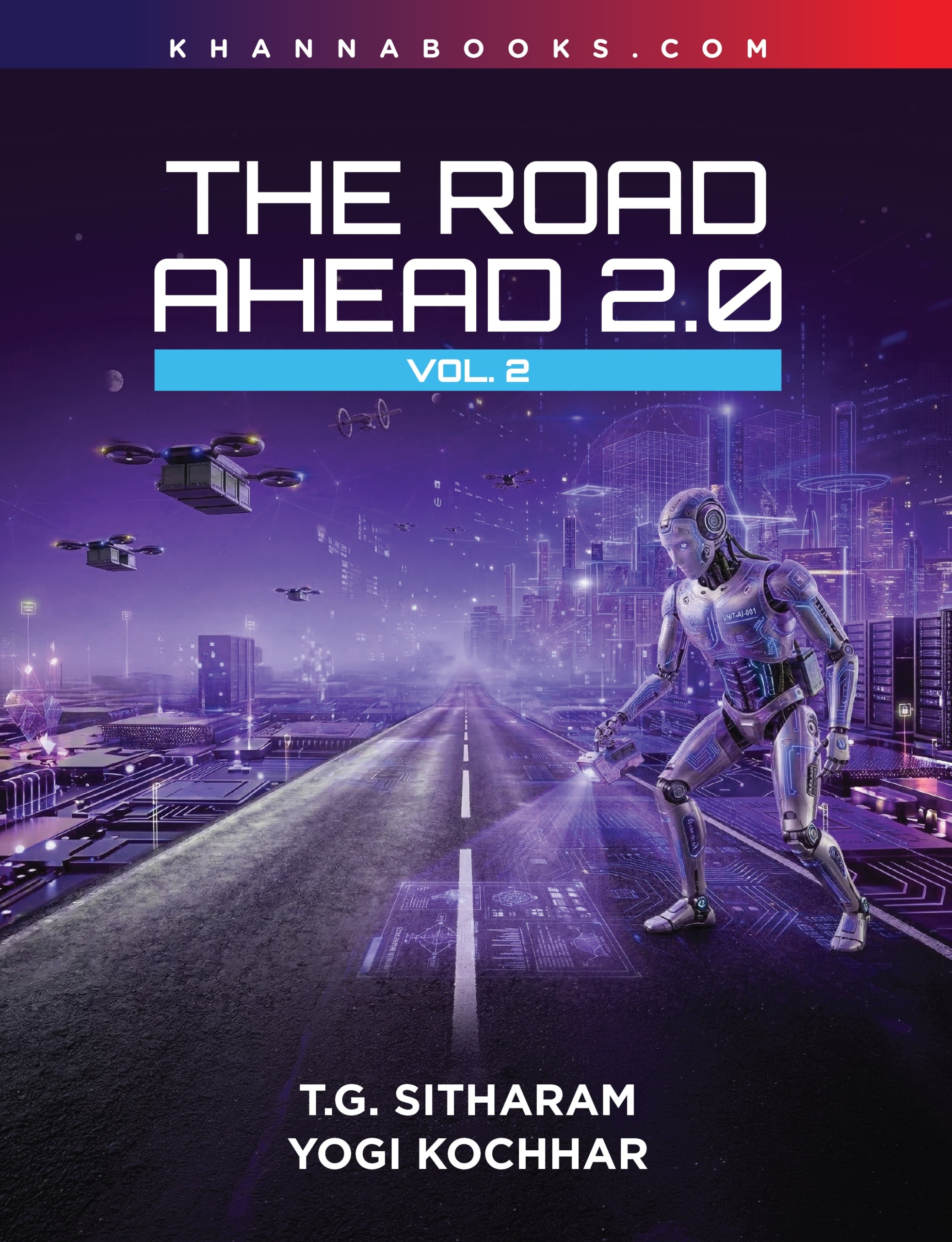
The Road Ahead 2.0 Volume-2 (Colour Edition)
English
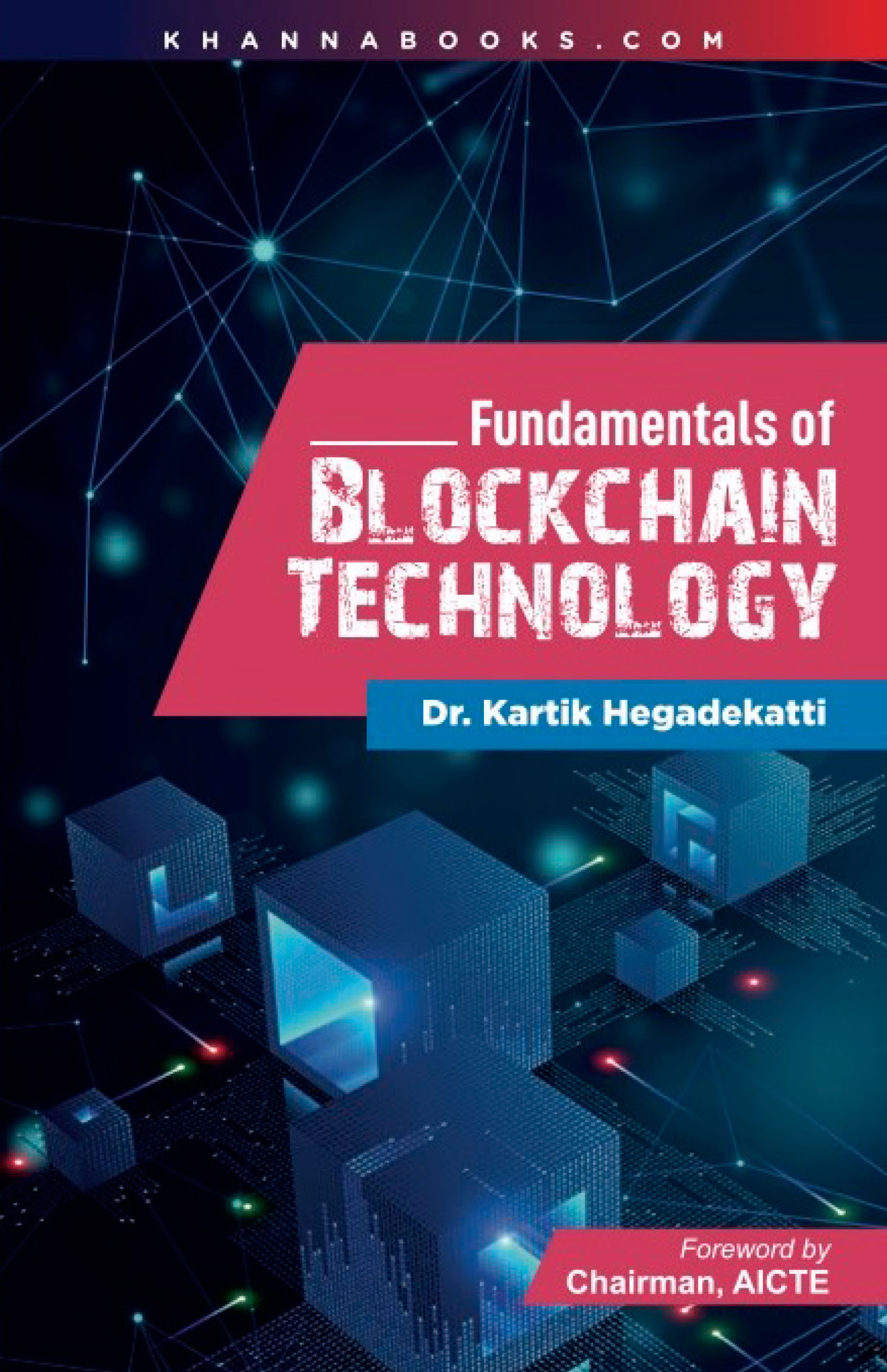
Fundamentals of Blockchain Technology
English
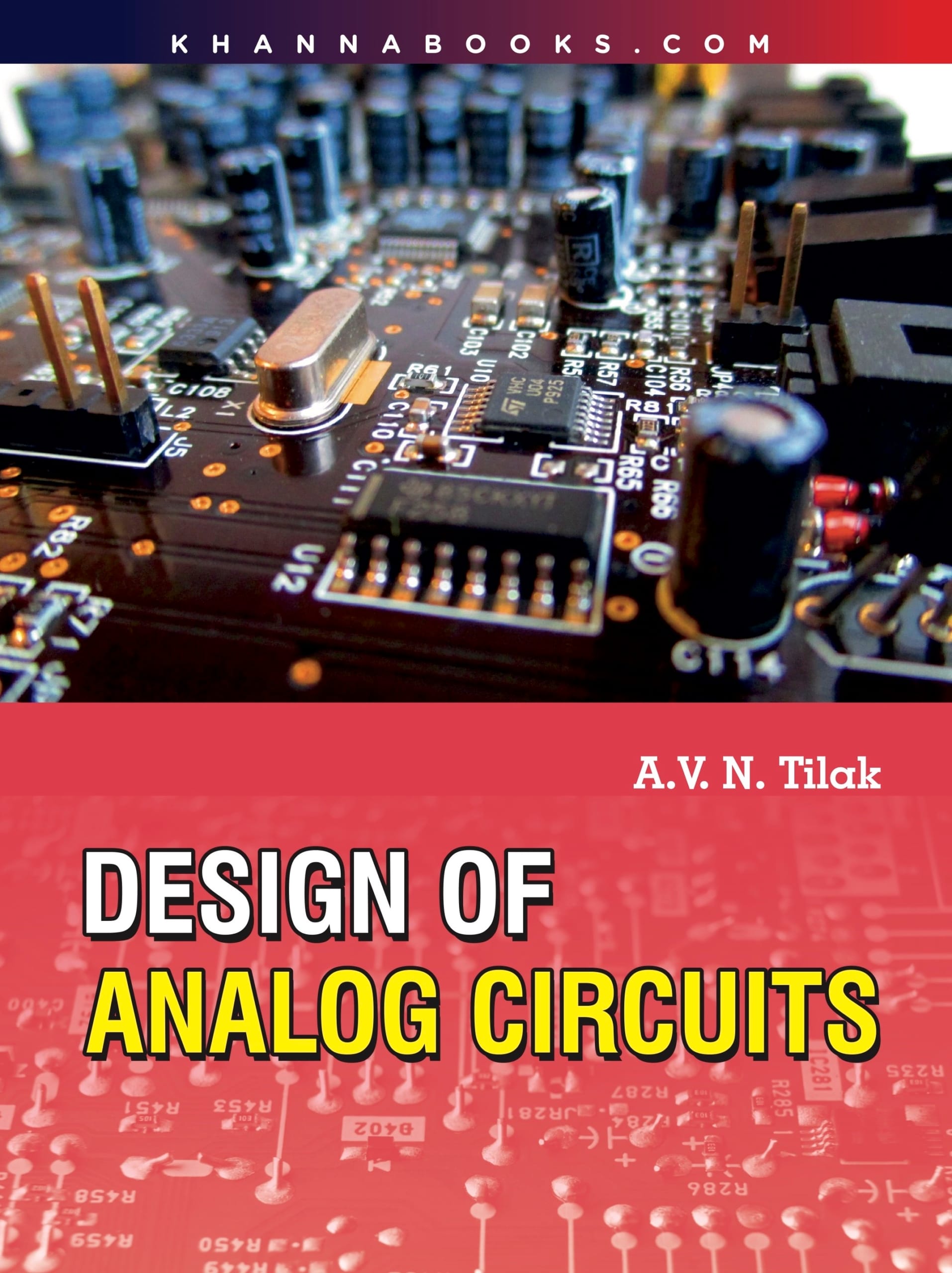
Design of Analog Circuits
English
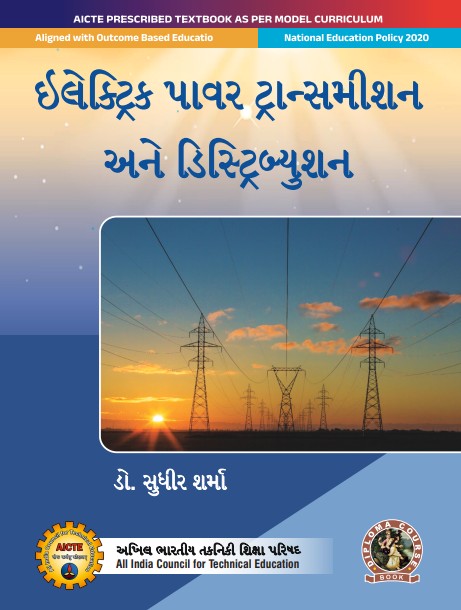
Electric Power Transmission and Distribution
Gujarati
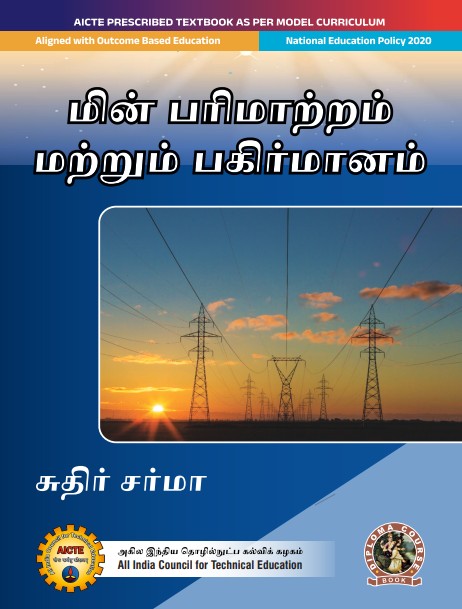
Electric Power Transmission and Distribution
Tamil
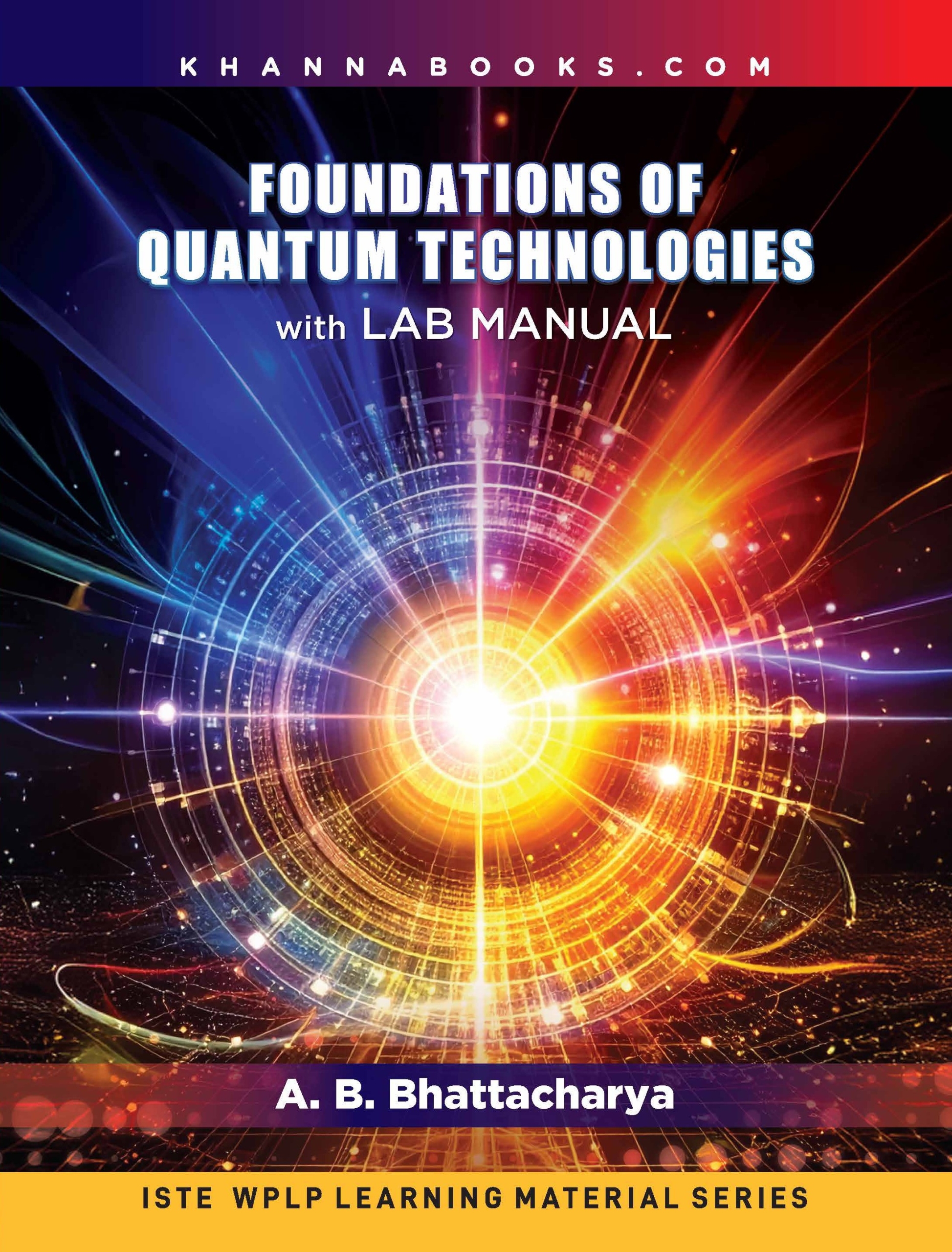
Foundations of Quantum Technology with Lab Manual
English
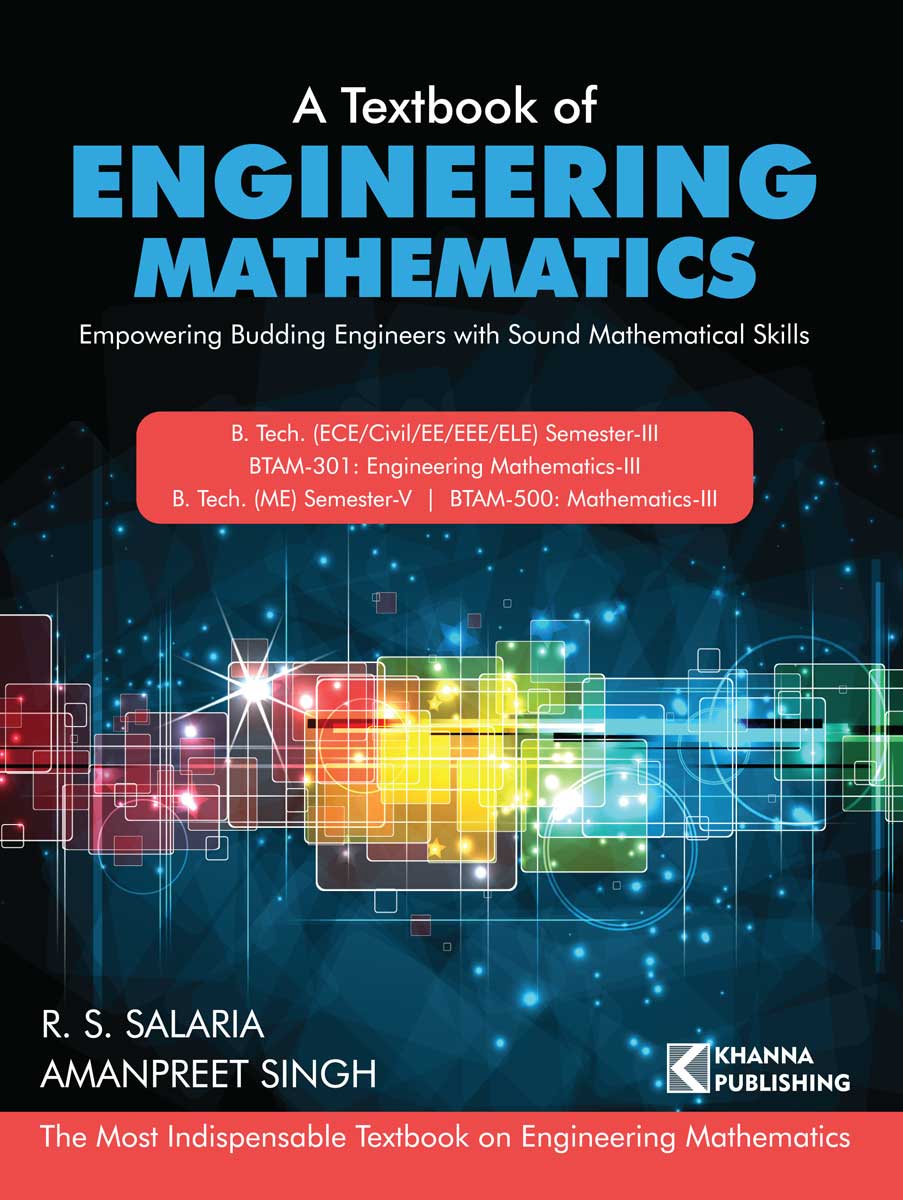
A Textbook of Engineering Mathematics-III (ECE/Civil/EE/EEE/ELE)
English
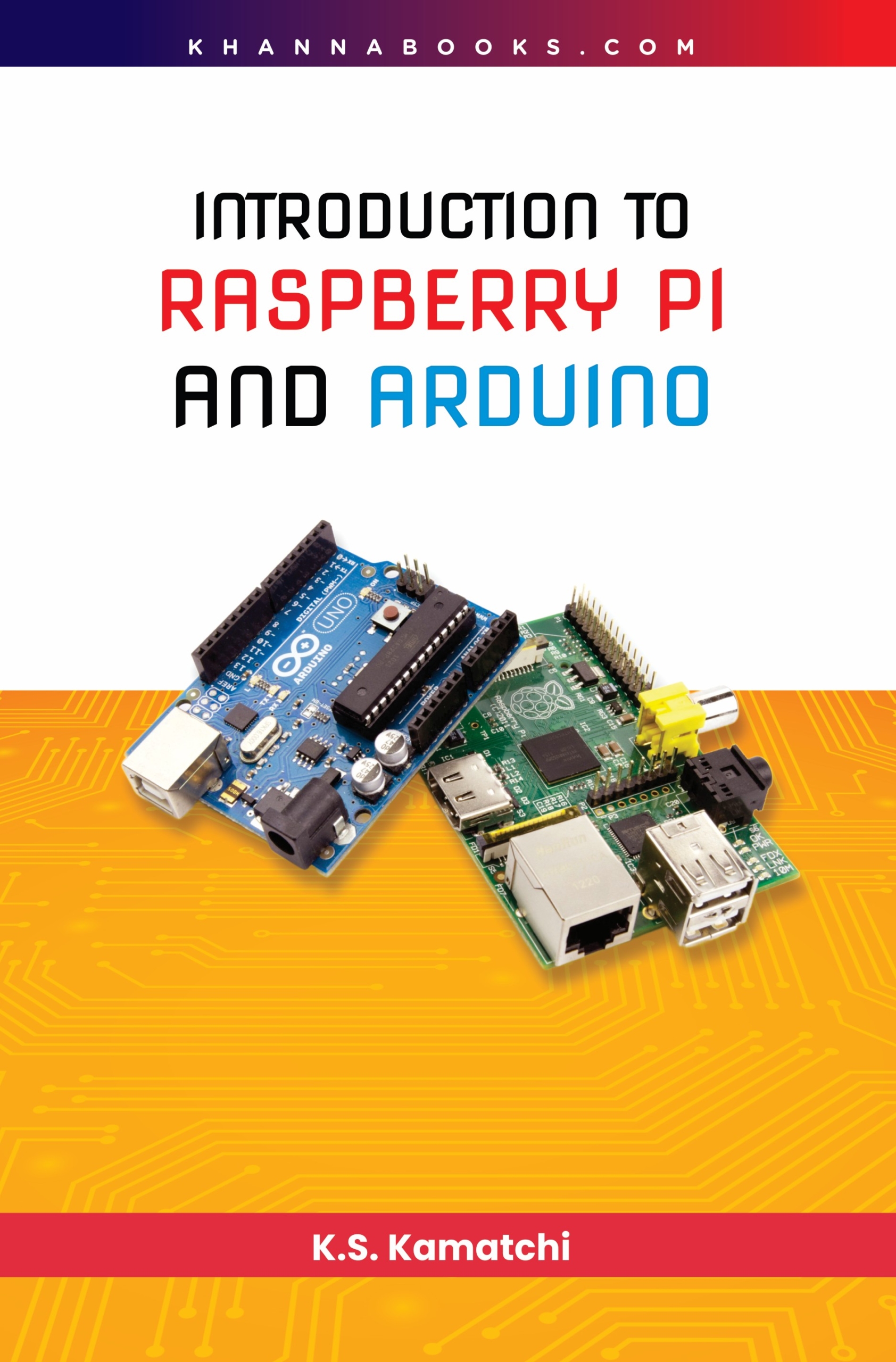
Introduction to Raspberry Pi and Arduino
English
Water Treatment
In Stock
Fundamentals of Electrical and Electronics Engineering (with Lab Manual)
In Stock
AI Enhanced Cyber Threat
In Stock
Can A Man Love a Woman - Eternally? Can a Woman Love a Man - Eternally? Find How
In Stock
Practical Approach of Software Engineering
In Stock
The Wonder That is Avadhanam
In Stock
Energy Conservation in Buildings
In Stock
PC Software Made Easy
In Stock
The Musician's Ai Handbook (Indian Edition)
In Stock
Khanna's Objective Type Questions & Answers in Energy Technology
In Stock
Generalized Theory of Electrical Machines
In Stock
The Road Ahead 2.0 Volume-1 (Colour Edition)
In Stock
Khanna's Multi-Choice Questions & Answers in Environmental Engineering
In Stock
AI Shakti, AI for Bharat (Coloured Addition)
In Stock
The Road Ahead 2.0 Volume-2 (Colour Edition)
In Stock
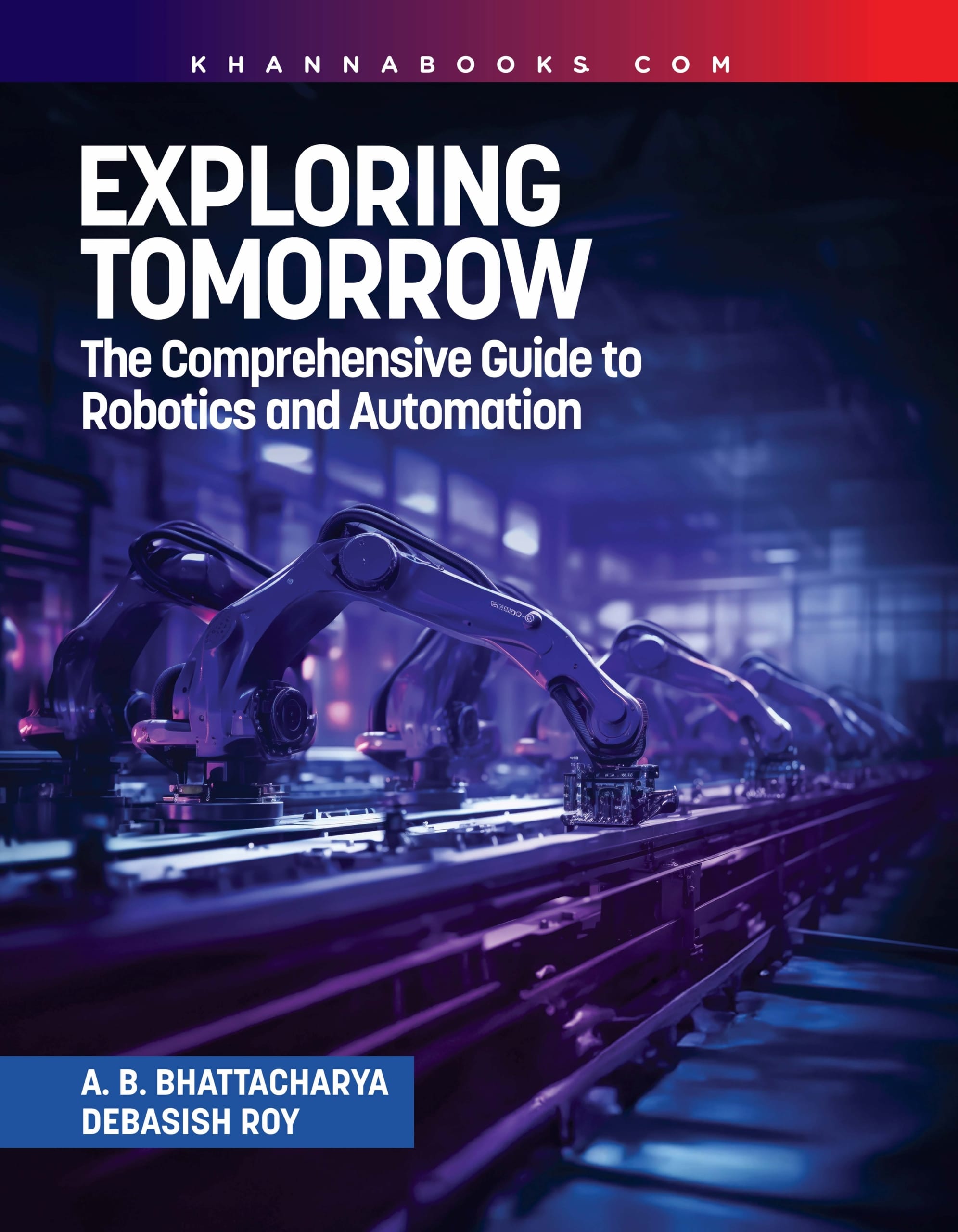
Exploring Tomorrow (The Comprehensive Guide to Robotics and Automation)
In Stock
Fundamentals of Blockchain Technology
In Stock 
Khanna's Conventional & Objective Type Questions & Answers in Mechanical Engineering
In Stock
Design of Analog Circuits
In Stock
Electric Power Transmission and Distribution
In Stock
Electric Power Transmission and Distribution
In Stock
Foundations of Quantum Technology with Lab Manual
In Stock
A Textbook of Engineering Mathematics-III (ECE/Civil/EE/EEE/ELE)
In Stock
Introduction to Raspberry Pi and Arduino
In Stock
Physics (Introduction to Electromagnetic Theory) (with Lab Manual)
In Stock
Physics (Introduction to Electromagnetic Theory) (with Lab Manual)
In Stock
Physics (Introduction to Mechanics)
In Stock
Physics (Introduction to Mechanics) (with Lab Manual)
In Stock
Physics (Introduction to Electromagnetic Theory) (with Lab Manual)
In Stock
Feature Engineering for Machine Learning (Techniques, Tools and Applications)
In Stock
Foundations of Robotics & Automation (Theory & Practice)
In Stock
Physics (Quantum Mechanics for Engineers) With Lab Manual
In Stock
Introduction to Quantum Communication
In Stock
Integrated Radar & Radio Navigation
In Stock